

Toyota Won't Start? Top Troubleshooting Tips To Fix Startup Problems
If your Toyota won't start - whether it's a traditional gas-powered model, a hybrid, or an electric vehicle (EV) - it can be both frustrating and inconvenient. This guide will walk you through common causes and troubleshooting steps to help you identify and potentially resolve the issue.
Common Reasons Your Toyota Won’t Start
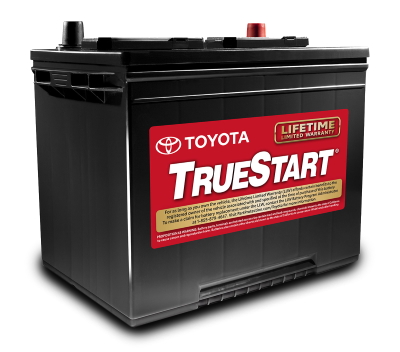
“Even in hybrids and EVs, the 12-volt battery powers critical systems. If it's dead, the vehicle won't start.”
Dead or Weak 12-Volt Battery
The 12-volt battery powers essential systems like the ignition and dashboard electronics. A dead or weak battery is a frequent reason why your Toyota engine won't start.
Symptoms:
- Dashboard lights are dim or unresponsive.
- Your Toyota cranks but won't start
- Clicking sound when turning the key or pressing the start button.
- No response when attempting to start the vehicle.
Troubleshooting:
- Inspect battery terminals for corrosion and ensure connections are tight.
- Use a multimeter to check battery voltage; a healthy battery should read around 12.6 volts.
- If the battery is weak or dead, consider jump-starting the vehicle to get it home and then replace the battery.
- A failing alternator will stop charging the battery, so get it checked if your new battery keeps going dead.
High-Voltage Battery Issues (Hybrids and EVs)
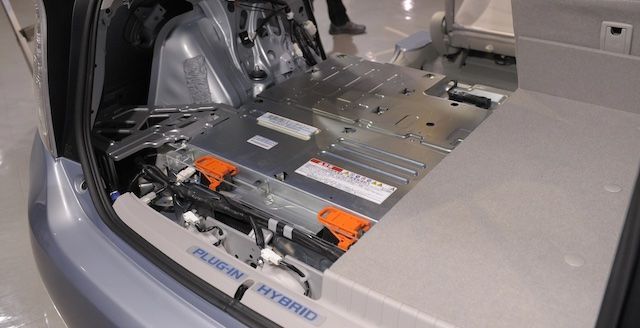
Hybrid and electric models have unique systems that can introduce additional Toyota starting issues. The high-voltage battery powers the electric motor. If it's depleted or faulty, the vehicle may not start. Some hybrids may be able to drive with a faulty high-voltage battery, but this can cause additional damage if done for an extended period.
Symptoms:
- "Check Hybrid System" or similar warning messages.
- Vehicle doesn't enter "Ready" mode - usually found on full EVs.
Troubleshooting:
- Consult a professional technician to test the high-voltage battery.
- Replacement may be necessary if the battery is failing.
Failing Starter Motor
The starter motor is responsible for cranking the engine. If it's malfunctioning, the engine won't turn over.
Symptoms:
- Single click or series of clicks when attempting to start.
- Engine doesn't crank at all.
Troubleshooting:
- Listen for clicking sounds when starting; clicking may indicate a faulty starter.
- Check for loose connections to the starter motor.
- If you have a mutlimeter you can check if the starter is getting power.
- If the starter is faulty, it will need to be replaced.
Fuel System Problems
Issues with the fuel system are a common cause of a failure to start, as it is responsible for sending fuel to the engine. The fuel system is comprised of several components including the fuel pump, fuel filter, injectors, hoses, and the fuel tank.
Symptoms:
- Engine cranks but doesn't start.
- Smell of fuel while engine is off.
- Engine stalls or runs rough at idle.
Troubleshooting:
- It may sound obvious but check the fuel gauge to ensure there's fuel in the tank.
- Inspect the fuel lines and the fuel filter for leaks or blockages.
- A clogged fuel injector or a faulty fuel pump may require professional inspection and replacement.
Key Fob or Smart Key Issues
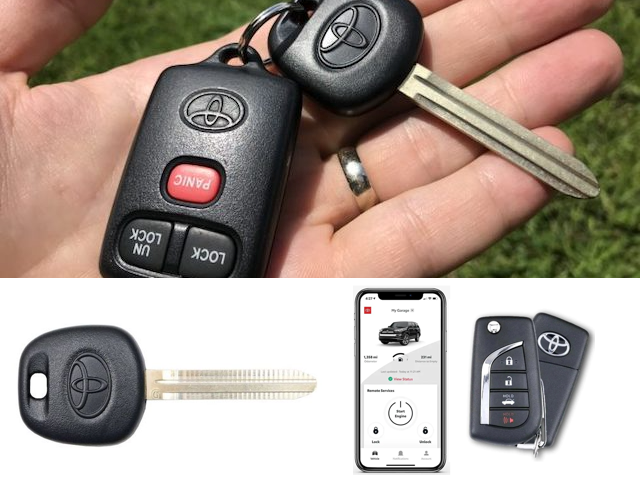
Problems with the key fob can prevent the vehicle from recognizing the key, thus not starting. We cover Toyota key fobs in greater detail here.
Symptoms:
- "Key Not Detected" message on the dashboard.
- Inability to unlock doors or start the vehicle.
Troubleshooting:
- Replace the key fob battery.
- Hold the key fob close to the start button and try again.
- If issues persist, reprogramming or replacement may be required.
Additional Troubleshooting Tips
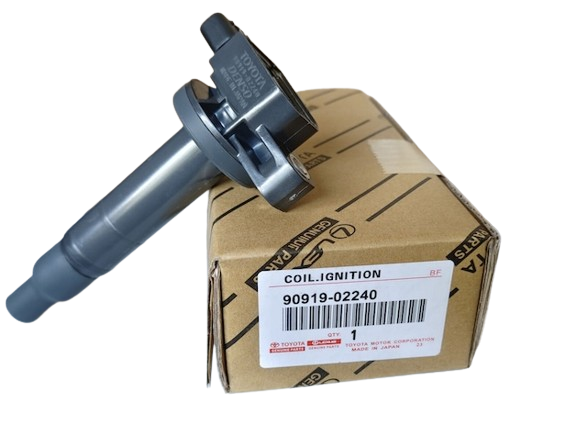
- Fuses and Relays: Check for blown fuses and faulty fuel system relays that could cause starting issues.
- Ignition Switch: Turn the key to the ON position and look for the red warning lights on your dash. If you get no lights and your battery is working, the ignition switch could be to blame.
- Mass Airflow Sensor (MAF): A failing MAF sensor will cause rough engine running, poor fuel economy and eventually, a failure to start.
Genuine OEM Toyota Parts from Olathe Toyota Parts Center
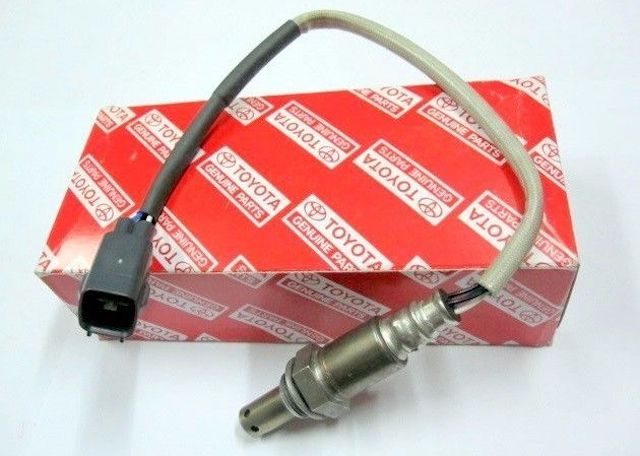
By systematically checking these areas, you can identify the cause of your Toyota's starting problem and get a new OEM part that is guaranteed to fit and work exactly like the original.
If you've attempted the above troubleshooting steps and your Toyota still won't start, it's advisable to consult with a certified Toyota technician to ensure you replace the right part. Whatever you need to get your Toyota going again, we have it.
Get in touch with our knowledgeable team to help you find the perfect OEM Toyota parts and accessories for your vehicle at the best prices. Also, check out our online resources like a free VIN decoder and free downloadable owner's manuals today!