

What Is A Toyota TSB? An Owner's Guide To Technical Service Bulletins
A Technical Service Bulletin (TSB) is a communication between an automaker and its dealerships or service centers. It provides information about known issues, diagnostic steps, and repair procedures that differ from standard repair manuals.
A TSB is not a recall - it is primarily informational, helping technicians address non-safety-related problems efficiently. In this post we'll follow along as The Car Care Nut explains the differences between the two and does a deep dive on why TSBs are important.
Misunderstanding And Misuse Of TSBs

As we stated before, TSBs are very different from recalls. Recalls stem from safety-related manufacturer defects that must be addressed and are always covered by the manufacturer. A TSB contains guidance for diagnosing and repairing known, non-safety issues. Here are a few things to keep in mind about how TSBs can be misused:
- Many car owners and even technicians confuse TSBs with recalls, assuming they require mandatory repairs.
- Some technicians misuse TSBs as shortcuts to avoid proper diagnostics.
- Outdated or misapplied TSBs often lead to incorrect repairs, unnecessary costs, or continued vehicle issues.
- DIYers and owners frequently print TSBs from forums and demand specific repairs, which can backfire if the TSB doesn’t actually apply.
Why Are TSBs Issued?
Manufacturers issue TSBs to address known issues or non-standard repair procedures. They can also provide updated diagnostic or repair instructions and specify which warranty coverage applies (comprehensive, powertrain, battery, etc.).
In certain cases, they may offer service kits or revised parts to repair problems without requiring full replacements. TSBs are often created after:
- Production changes correct defects in earlier models.
- Field reports from technicians highlight repeat issues.
- Software or part updates become available.
How To Use TSBs Correctly: Concern, Cause, and Corrective Action
The diagnostic process related to properly discerning whether you have a TSB-related issue (or not) always follows the 'Concern, Cause, Correction' pattern:
- Concern: Verify the customer’s reported issue.
- Cause: Diagnose the source of the issue accurately - don't just rely on TSBs.
- Correction: Use the TSB if it matches the verified issue and VIN range, then perform the prescribed fix.
If the TSB does not exactly match the concern or VIN, the technician should continue with a standard diagnosis.
Types Of TSBs
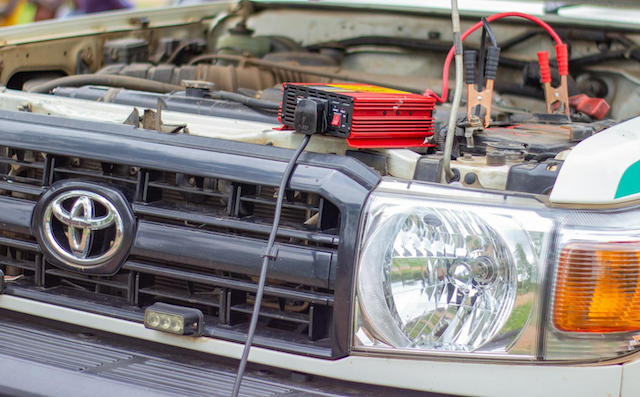
The Car Care Nut explains that not all TSBs are created equal. While most are useful, some may be vague, outdated, or simply not relevant to the vehicle anymore. That is why it’s best to leave the diagnostics and assessment to a qualified mechanic.
1. Good TSBs
- Detailed and timeless.
- Include VIN ranges, clear diagnostics, and specific repair instructions.
- Help avoid guesswork by guiding through step-by-step verification.
- Require careful reading - skipping details can lead to misdiagnosis.
2. Production TSBs
- Issued shortly after vehicle release.
- Often vague and minimal in diagnostic detail.
- Typically address early production defects and may not apply to all vehicles.
- Dangerous if used years later - the issue may no longer be relevant.
3. Poorly Written TSBs
- Repeatedly updated, unclear, or lacking diagnostic procedures.
- Often say “replace this part” without testing steps.
- Can mislead technicians into unnecessary repairs.
- Always check issue date and update status before acting.
Check out the chart below for a quick reference on how a TSB differs from a recall:
| Aspect | TSB (Technical Service Bulletin) | Recall |
|---|---|---|
| Purpose | Provides guidance for diagnosing and repairing known issues | Addresses safety-related defects |
| Trigger | Manufacturer identifies patterns of non-safety issues | Manufacturer or government identifies a safety hazard |
| Action Type | Informational, advisory | Mandatory repair campaign |
| Cost Coverage | May depend on warranty status | Always covered by the manufacturer |
| Examples | Fix for infotainment reboot or minor oil leak | Airbag, brake, or fuel system failures |
Essentially, a recall corrects a safety defect, while a TSB offers guidance on service improvements or non-safety concerns.
Access And Use Of TSBs
- TSBs are publicly viewable through NHTSA but are not to be redistributed or shared publicly.
- Updated TSBs are available via manufacturer websites, sometimes through paid subscriptions.
- Always use the latest version, as older forum copies may contain obsolete information.
A few notes for vehicle owners interested in TSB-related information:
- Don’t print and hand a TSB to your mechanic demanding a fix.
- Allow technicians to perform proper diagnostics first.
- Understand that not all TSBs apply to every car with similar symptoms.
Historical TSBs By Model Type
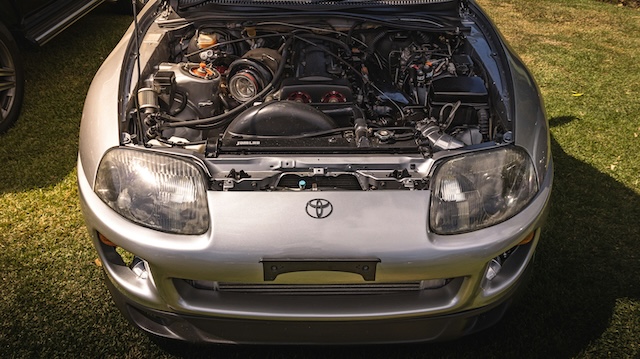
As mentioned above, not all TSBs are relevant for all model years, and some may simply become irrelevant over time, so allow your mechanic to do a vehicle specific diagnostic and check to see whether you need any TSB-related work carried out. At Olathe Toyota Parts Center, we do have a list of several TSBs sorted by Toyota model for quick reference:
| 4Runner | 86/Scion FR-S |
| Avalon | Camry |
| Corolla | Highlander |
| Prius | Prius C |
| Prius V | Rav4 |
| Sequoia | Sienna |
| Tacoma | Tundra |
| Yaris |
Common Components Addressed By TSBs

While every Toyota model will have different TSBs issued over its lifetime, there are some components and parts that commonly appear on certain models. Check out the list below to explore 10 of the most common part types that TSBs have addressed over the past two decades:
| Component / Part | Make, Model and Year |
|---|---|
| Water pump | Toyota Camry (2008-2025) |
| Ignition coil / ignition system | Toyota Camry (various years) |
| Timing chain / timing chain cover / chain tensioner | Toyota Corolla (2009-2024) |
| Engine oil consumption / piston rings / PCV system | Toyota Rav4 / other models (various years) |
| Infotainment / head unit / software update | Toyota Highlander (various years) |
| Smart key / immobilizer / proximity key systems | Toyota Avalon / Camry (various years) |
| Brake components (pads/rotors) or braking-system issues | Toyota Tacoma (various years) |
| Suspension components (vibration/shudder) | Toyota Crown (recent years) |
| Cooling system seals / gaskets (head cover, chain cover) | Toyota 4Runner / Land Cruiser (various years) |
| Sub-frame / front suspension frame / body-mount components | Toyota Avalon (older model, e.g., 2000s) |
A Final Word On TSBs

TSBs are powerful resources when used correctly - they save time, standardize repairs, and inform technicians of common manufacturer findings. However, when misunderstood or misused, they can lead to wasted time, unnecessary expense, and unresolved vehicle problems. If you need parts for your Toyota, Olathe Toyota Parts Center is ready to assist.
- We stock thousands of genuine OEM Toyota parts at wholesale prices.
- All OEM parts are backed by the standard Toyota 12-month, unlimited miles warranty
- Use our free VIN lookup tool ensures you get the exact fit for your vehicle.
- Our centrally located Kansas City dealership means parts arrive fast whether you're on the East or West Coast.
Our extensive parts catalog has just about any OEM part you could need. Consult with your mechanic over any TSB queries you may have, use our VIN tool to find the perfect match, and order with confidence. Contact us today for wholesale priced OEM parts backed by a 12-month Toyota warranty.