

Why You Should Replace Brake Pads And Rotors Together
Whether you’re driving a trusty Toyota Tacoma or a sleek Lexus RX, knowing when (and how) to replace your brakes the right way can save you cash and keep your ride stopping smooth. The Car Care Nut breaks it down for us in the brake video below.
Toyota Brake Types
First off, let’s talk about the two main brake types you’ll find on your Toyota or Lexus: Disc Brakes and Drum Brakes.
Disc Brakes are the modern go-to. They use hydraulic pressure to push a piston, which clamps your brake pads down onto the rotor, slowing you down.
Drum Brakes are a little different. You’ve got these curved shoes that push outward against the inside of a metal drum. Still powered by hydraulic pressure, still working off friction, but just a different setup - usually found on older vehicles or on the rear wheels of some trucks.
Bottom line? Both wear down over time, and it’s that friction material on the pads or shoes that you need to keep an eye on.
What Needs To Be Serviced?
Okay, this is where things get opinionated. Some mechanics say “just replace the pads,” others swear by resurfacing rotors, and then there are the “replace everything, every time” folks. Let’s break it down with some real-world experience. Here’s the deal:
- Pads need to be replaced
- The rotor surface that the pads grip? It needs to be smooth and properly machined. If not, you’ll get brake pulsation, vibrations, and weak stopping power.
As far as rotors are concerned, you have a couple options:
- Resurface it: Put the rotor on a machine, shave it down smooth. Works on older Toyotas with thick rotors.
- Replace it: On newer Toyotas, rotors are thinner to save weight and boost fuel economy. Often they’re already near minimum thickness, so resurfacing isn’t an option. Just replace them.
“Replacing your pads alone is something you may regret when your brakes squeal or vibrate at every stoplight.”
About Shims And Fitting Kits
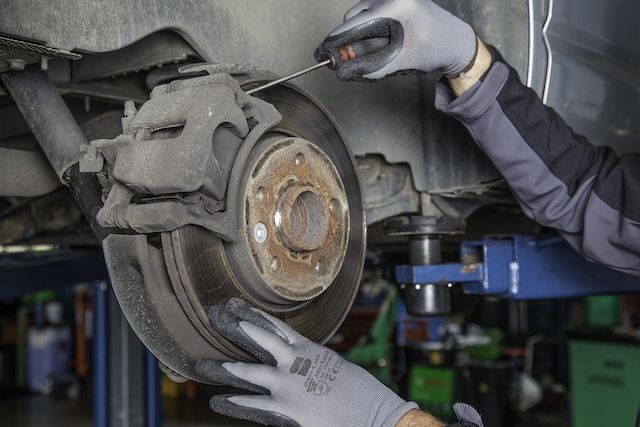
Shims are anti-rattle parts that sit on your brake pads. You can reuse them if they’re not rusty and in good shape, but most choose to just replace them. They’re cheap insurance against noisy brakes. It's the same story with fitting kits. OEM kits can be reused if clean. Aftermarket ones? One-time use. Replace ’em.
When Should You Replace Your Brakes?
Alright, here’s what you came for - when should you actually replace your brakes? New pads start out at about 9-10 mm thick, and general recommendations say you should:
- Keep an eye out at 5 mm
- Start planning for servicing at 3 mm
- 1 mm? Replace them TODAY
Why? The wear from 3mm to 1mm happens fast, and at 1mm, your pads can’t handle heat well. They’ll wear out quicker than a set of cheap tires on a burnout pad. Long trip coming up? Replace at 3mm. Just driving local? You can push it to 1mm if you want to take chances, but don’t wait too long.
Why Are My Brake Pads Wearing Unevenly?
If one pad is 7 mm and the other is 4 mm - something’s wrong. There may be a few causes - could be a stuck caliper pin or a seizing caliper. Get it checked immediately before that 4 becomes 0 and you're down to metal.
Toyota Brake Pad Dos And Don'ts
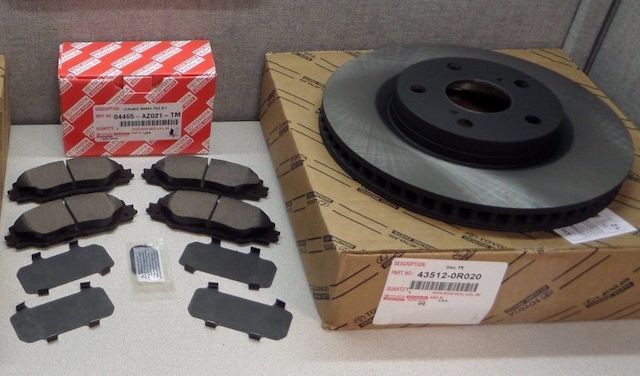
OK DIYers, here’s the “don’t do this” section.
- Don’t use cheap aftermarket brake parts. Sure, they stop the car... but you’ll get noise, vibration, and your rotors will wear out fast.
- If you buy premium aftermarket pads, you’re probably paying OEM prices anyway. So just get original Toyota parts and avoid the headaches.
- Toyota offers two pad types: economy (AZ part numbers) and factory pads. They both have pros and cons, so carefully consider your needs when you're ready to buy parts.
- If you’ve got a Toyota truck with 4-piston calipers, watch out - they're sometimes prone to seizing up. If a piston’s stuck, replace the caliper.
Toyota Brake Replacement Myths
Let’s bust a few myths about your Toyota's brake system real quick:
- You don’t need to open the bleeder valve to replace brakes. Totally unnecessary, and honestly not a great idea unless you’re flushing the fluid.
- “Service the caliper” doesn’t mean rebuild it. You’re really just cleaning and lubing the sliding pins and the pad bracket. Don’t grind the bracket down too much or you’ll get pad shift - a super annoying clunk every time you hit the brakes.
Servicing Toyota Drum Brakes
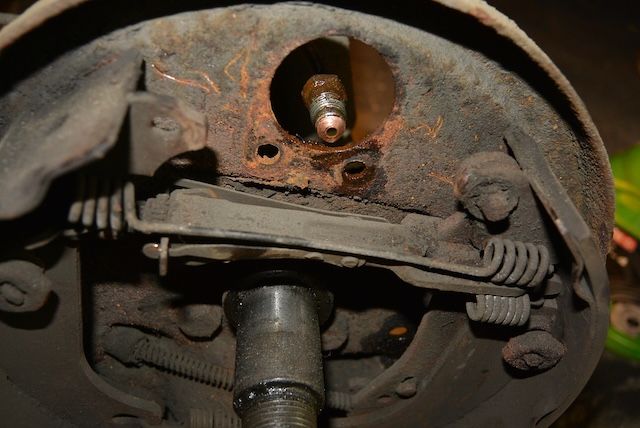
Yep, some Toyotas still have drum brakes! Here’s a few tips on how to service them:
- Replace the shoes and drums together for best results.
- Never use aftermarket shoes unless you like brake noise. Originals work better and don’t cost much.
- Shoes start at 4 mm new, replace at 1 mm.
- Drums rarely get resurfaced - it doesn’t work well. Just replace them every 100k miles and move on.
- The springs and hardware? If rusty, replace. If clean, reuse.
And remember, the hydraulic cylinder? If it’s not leaking, you’re good. No need to mess with it.
Shop Olathe Toyota Parts Center
Don’t cheap out on brakes. Use OEM parts, remember that it's best to replace the rotors with the pads, and service everything properly. For more information on the reasons to choose OEM Toyota brakes, check out our post on Aftermarket vs OEM Economy Brake Pads. Your Toyota will thank you.
At Olathe Toyota Parts Center, you'll find genuine OEM Toyota parts and fast shipping - same day in most cases - as well as a quick and easy-to-use VIN decoder for reliable parts search. Order your new brakes today!