

Why You Should Avoid Aftermarket Auto Parts
Thinking about saving a few bucks with aftermarket parts? It might seem like a good idea - until it isn’t. In this post, The Car Care Nut helps us break down which parts you should absolutely avoid buying aftermarket, why OEM parts matter, and how to make sure you're getting the real deal.
Not All Parts Are Created Equal
Some aftermarket parts might get you through for a while. But when it comes to certain systems in your Toyota, cutting corners can lead to headaches, poor performance, or even safety issues. Here’s a rundown of parts The Car Care Nut recommends you always buy OEM.
1. Starters And Alternators
An aftermarket starter or alternator might look identical, but the internal components in aftermarket units often are not up to spec. That means shorter life and more failures.
- Only OEM alternators and starters are built to Toyota’s exact tolerances.
- Aftermarket versions are often remanufactured with lower-quality parts.
If you want trouble-free driving, this is not where you want to take chances.
2. Electronic Parts
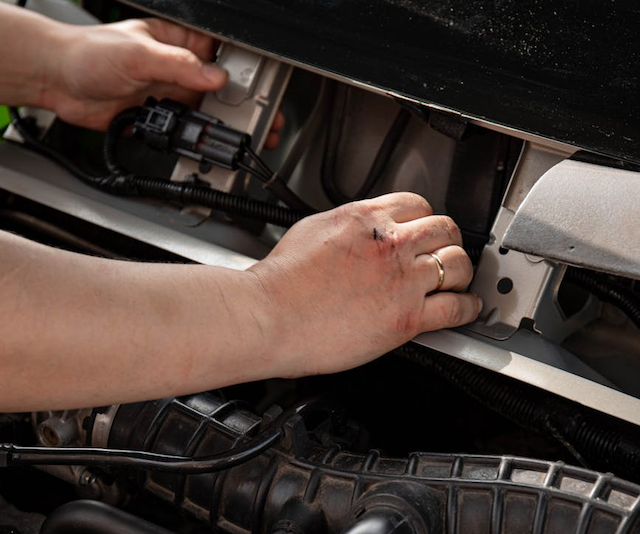
These are some of the most commonly failed aftermarket parts. Check out our article on how aftermarket lighting can impact your Toyota's electrical systems here.
Cheap sensors might throw codes, fail quickly, or give bad data to the computer. Never buy a universal fit sensor.
Aftermarket parts are hit-or-miss, and when they miss, they may cause damage.
3. Brakes And Suspension Components
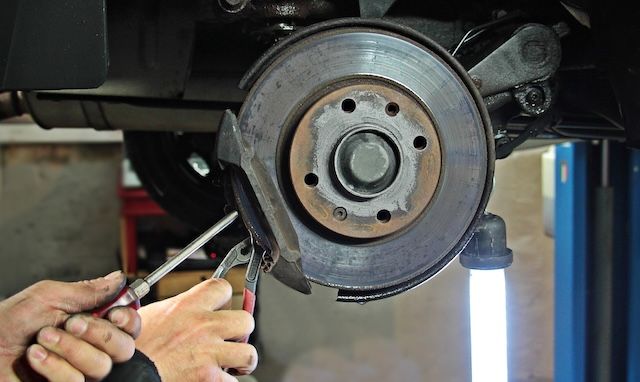
Your life literally depends on these parts doing their job well and reliably. Plus, suspension components are constant-use parts that are always engaged, making failure risky.
- Brake pads and rotors: Economy pads wear fast, squeal, and don’t always stop like they should.
- Control arms, tie rods, bushings: Aftermarket rubber and joints often degrade faster, especially in extreme temps.
- Struts and shocks: Even if they 'fit,' they may not perform like Toyota-spec units. Avoid quick struts because they’re universal.
Just because it bolts up doesn’t mean it works the way it should.
4. Power Steering Parts
Steering is one of those systems where even a minor issue can lead to a major problem.
- Power steering pumps and hoses: OEM parts are designed for specific pressure tolerances and routing.
- Aftermarket options: Often noisy, underperforming, or prone to early leaks.
If your Toyota has electric power steering, skip aftermarket entirely because electrical faults can get expensive fast.
5. Gaskets And Seals
Sealing surfaces might look simple, but Toyota gaskets are made from specific materials for a reason. They last longer and are perfectly engineered for a snug fit that keeps contaminants out.
- Valve cover gaskets
- Oil pan gaskets
- Timing cover gaskets
Aftermarket versions often leak sooner and can warp or shrink with heat cycles. OEM gaskets may cost a tad more, but a single leak issue will cost you a lot more.
6. Axles And CV Boots
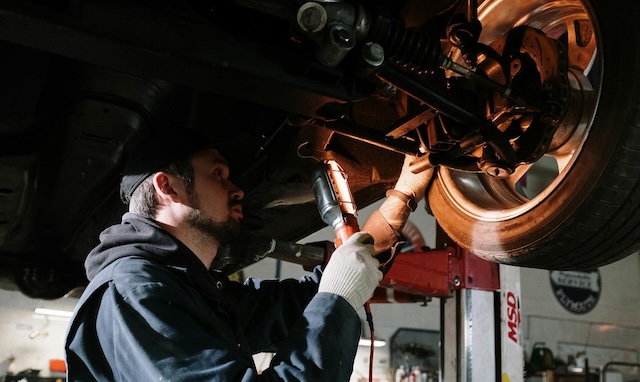
These components have to deal with constant rotation, road grime, and extreme temperatures. They take a lot of abuse, so quality and durability matter.
- CV boots: Aftermarket rubber often cracks in cold climates or degrades in heat at a faster rate.
- CV Axle shafts: Cheap aftermarket ones might not be balanced correctly, leading to vibrations.
Unless you're stranded and desperate, OEM is always better for driveline parts. Read more about Toyota CV joints and axles here.
OEM vs. OEM-Equivalent
Here's a common situation: You pull off a part and see the brand “Denso,” so you figure it’s safe to buy the same Denso part at your local auto store. Not so fast.
Toyota has parts made by companies like Denso - but - they’re built to different specs than the off-the-shelf version. What looks like the same part might actually have a different connector, internal design, or calibration. Just because the brand label matches doesn't mean it's the same part inside.
Bottom line? If it came from Toyota, buy the replacement from Toyota too.
Choose OEM Parts From Olathe Toyota Parts Center

Sure, some cosmetic or non-critical parts can be bought aftermarket without issues. But when it comes to electronics, steering, suspension, braking, gaskets, and axles - it’s just not worth the gamble. If you want your Toyota to stay reliable for the long haul, stick with the parts it was designed to run. Plus, many true Toyota purists looking for a used Toyota are only interested in vehicles with a history of OEM part replacement. Toyota's reputation for longevity is well-earned, so using OEM replacement parts matter. At Olathe Toyota Parts Center:
- We stock thousands of genuine OEM Toyota parts at wholesale prices.
- Our free VIN lookup tool ensures you get the exact fit for your vehicle.
- We ship fast from our centrally located Kansas City dealership, so whether you're on the East or West Coast, your parts arrive quickly.
Need engine sensors, brake components, or OEM steering parts? Check out our massive parts catalog, use the VIN tool to find the perfect match, and order with confidence. Don’t guess - go OEM and keep your Toyota running like new. Questions? Contact us today.