

All You Need To Know About Water Pumps - Water Pump FAQs
If you want to understand more about Toyota water pumps, you've come to the right place! In this FAQ guide, we'll cover everything from the basics of what a water pump does to more detailed questions about maintenance and replacement.
What Does A Water Pump Do In My Toyota?
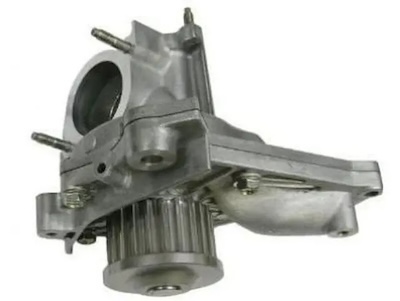
The water pump plays a crucial role in your Toyota's cooling system. It circulates coolant through the engine, radiator, and heater core, ensuring your engine remains at an optimal temperature. Without a functioning water pump, your engine could overheat, leading to severe damage.
How Do I Know If My Toyota’s Water Pump Is Failing?
Common signs of a failing water pump include:
- Coolant Leaks: If you notice a puddle of coolant under your car, it could indicate that the water pump seal has worn out.
- Overheating Engine: An overheating engine often points to a problem with the water pump not circulating coolant effectively.
- Whining Noise: A high-pitched whining noise coming from the front of your engine might indicate a failing water pump bearing.
- Steam from Radiator: If you see steam coming from the radiator, it could be a sign that your water pump isn't working correctly.
How Often Should I Replace My Toyota’s Water Pump?
Water pumps typically last between 60,000 to 100,000 miles, depending on your vehicle model and driving conditions. It's often recommended to replace the water pump when you change the timing belt since they share similar lifespans and require similar labor to access. (Learn how here)
Can I Drive My Toyota With A Bad Water Pump?
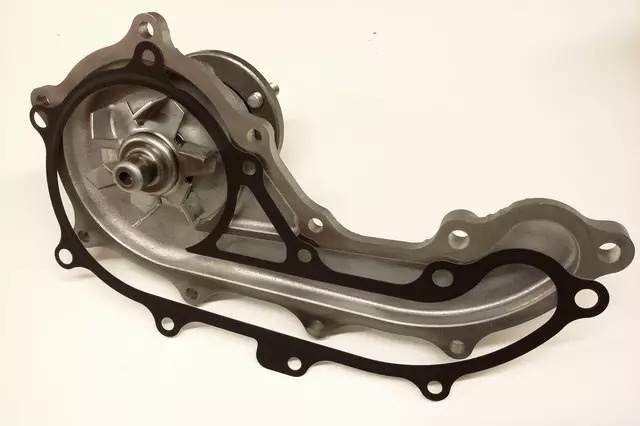
Driving with a failing water pump is very risky and not recommended. If your water pump fails, your engine could overheat, leading to expensive repairs or even engine failure. If you suspect your water pump is failing, it's best to have it checked and replaced as soon as possible.
What Happens If I Ignore A Failing Water Pump?
Ignoring a failing water pump (learn how to diagnose your water pump here) can lead to several problems, including:
- Engine Overheating: The most immediate and severe consequence.
- Coolant Leak Damage: Leaking coolant can cause damage to surrounding engine components.
- Complete Engine Failure: In the worst case, continued driving with a bad water pump can lead to total engine failure.
Should I Use An OEM Or Aftermarket Water Pump?
Using an OEM (Original Equipment Manufacturer) water pump is generally recommended for the following reasons:
- Perfect Fit: OEM parts are designed specifically for your specific Toyota model, ensuring a perfect fit and function.
- Quality Assurance: OEM parts use quality materials and undergo rigorous testing to meet Toyota's high standards.
- Warranty: Toyota OEM parts come with a 12-month warranty, providing peace of mind.
How Much Does It Cost To Replace A Water Pump?

The cost of replacing a Toyota water pump can vary depending on your model and location. The part itself typically costs between $100 and $200, but the total cost, including labor, ranges from $300 to $750.
Is It Necessary To Replace The Timing Belt With The Water Pump?
It's often recommended to replace the timing belt when you replace the water pump. This is because the timing belt on some engines drives the water pump, and both components have similar lifespans. Replacing them together can save on labor costs or other issues down the road.
Where Can I Buy A Genuine Toyota Water Pump?
If you need to replace the water pump on your Toyota car, truck, or SUV, your best source is the Olathe Toyota Parts Center. We carry OEM parts at wholesale prices that are backed by a standard Toyota 12-month, unlimited-mile warranty.
We also have a number of free resources that can help you diagnose common Toyota trouble codes and a Toyota VIN decoder to provide info about your vehicle. Got questions? Contact us, and our friendly staff will be glad to help!