

Toyota Traction Control vs ABS vs VSC Systems
When it comes to modern braking and stability systems, Toyota’s tech can seem complex - but it’s designed with safety and control in mind.
Who better to give us the rundown on the traction control system in today’s Toyotas than The Car Care Nut? In the video below he gives us a clear look at how Anti-Lock Brakes (ABS), Traction Control (TRAC), and Vehicle Stability Control (VSC) work together to keep your vehicle safe.
How Does Toyota’s Anti-Lock Braking System (ABS) Work?
ABS prevents the wheels from locking up during hard braking. It allows the driver to maintain steering control while braking aggressively - crucial for emergency stops and slick roads. ABS uses:
- Speed sensors on each wheel
- Hydraulic modulator (actuator assembly)
- ECU to process wheel-speed data
When you hit the brakes hard, the anti-lock braking system uses wheel speed sensors to detect if a wheel is about to skid. The ABS computer then rapidly pulses brake pressure - faster than any driver could - to maintain traction and control. This Toyota ABS technology lets you steer during emergency stops, improving brake system performance on wet or slippery roads.
What Is Toyota’s (TRAC) Traction Control System?
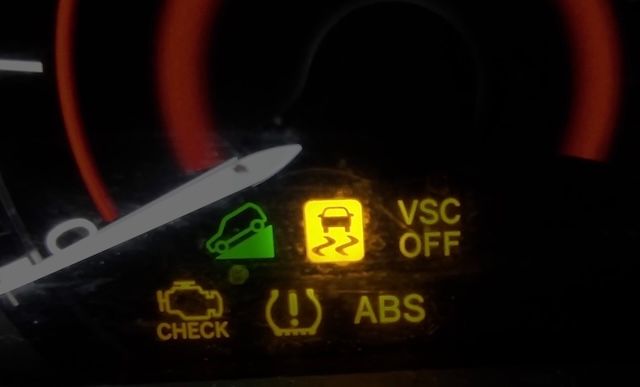
Image Credit: TheCarCareNut
Toyota’s TRAC systems do a similar job - it helps limit wheel spin when accelerating on slippery surfaces. It automatically reduces engine power and applies brake pressure to individual wheels to regain traction. The TRAC system is an internal communicator that tells the ECU to 'throttle back' or tells the ABS system to 'apply brake pressure to this wheel' - basically a conductor for all things traction within your Toyota.
What Does VSC (Vehicle Stability Control) Do?

Image Credit: TheCarCareNut
VSC goes a step beyond ABS by helping the driver maintain control during cornering or evasive maneuvers. It detects when the vehicle is understeering or oversteering and selectively applies brakes to individual wheels and/or reduces engine power to keep you on track. It’s a complicated system that is especially valuable in:
- Icy or wet conditions
- Emergency swerving
- Off-camber road situations
"VSC is the most misunderstood [Toyota Traction] system - most folks assume VSC is the same as traction control - they are actually not."
- The Car Care Nut
The VSC uses several sophisticated sensors to do its job. Each of these sensors communicates with your Toyota's computer to help you stay in control:
- Wheel Speed Sensors
- Steering Angle Sensor
- Yaw Rate Sensor
- Acceleration Sensor
When VSC activated, it's a very rapid and aggressive feel that you will notice immediately. It will also be accompanied by beeps and warning lights on your dash.
"Things have gotten very advanced with VSC - it's the one that actually saves the most lives."
-The Car Care Nut
Common Toyota ABS Problems
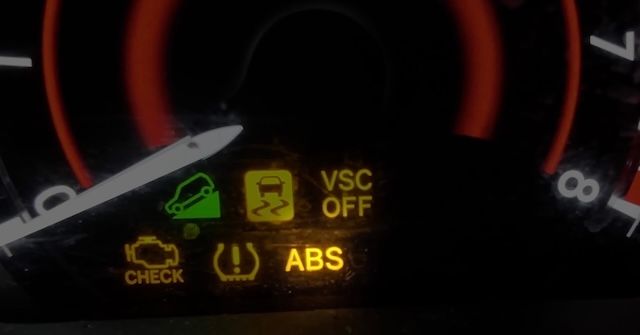
Image Credit: TheCarCareNut
These safety systems work together as a staggered system. If the ABS system goes down, it will impact the other systems. Some common system problems include:
- Speed Sensor Failure - these sensors are in constant motion and are exposed to harsh operation conditions. Wear and tear will take a toll! Other traction-related sensors can sometimes fail, but not nearly as often.
- Brake Actuator Failure - This is especially common in high-mileage models.
| Brake Calipers | Brake Shoes |
| Brake Drums | Brake Systems |
| Brake Lights | Wheel Speed Sensors |
| Brake Pads | Brake Rotors |
Follow the links provided above to shop OEM brake parts - from sensors to pads, actuators and more!
What You Need To Know About ABS And VSC Systems: Pro Tips
Tip 1: Are you wondering why the 'VSC Off' and 'Traction Control' warning lights come on when the check engine light is on? These traction systems use throttle control systems when they do their job (more so than the ABS system). So, that 'check engine' problem causes the VSC and TRAC to turn off as well. They will return to 'on' position after the check engine issue has been addressed.
Tip 2: Keep sensors clean - especially after off-roading - and be certain they're installed correctly.
Tip 3: Timely brake fluid replacement is essential. Test your fluid to see if it needs to be replaced.
OEM ABS, TRAC, And VSC Parts From Olathe Toyota Parts Center
Image Credit: TheCarCareNut
Understanding the differences between ABS, TRAC, and VSC helps you drive smarter and spot issues before they escalate. These systems are built to work together and keep you in control of your Toyota.
Olathe Toyota Parts Center is a top-rated, nationwide retailer of genuine OEM Toyota and Scion parts. We offer factory-backed OEM Toyota parts at wholesale prices, fast shipping from our centrally located warehouse, and guaranteed fitment when you use our VIN decoder to select your parts.
You can also check out our comprehensive Engine Guide and links to free, downloadable Toyota owner’s manuals from 2000 on. We make buying Toyota parts easy and reliable - shop our large selection of Toyota brake components or contact us with your questions today.