

Toyota Ball Joint FAQs
If you're driving a Toyota or Lexus and wondering about your ball joints - when to replace them, how to check them, or what kind you even have - it's covered here. Read on to hear Toyota Expert, The Car Care Nut, cover all things ball joints to help you understand better how they work and how to maintain them.
What Is A Ball Joint?
A ball joint is a critical part of your vehicle’s suspension system. Check out the video here from The Car Care Nut for a simple breakdown of what a ball joint is, and how it works. Essentially, it acts like a pivot point connecting your control arms and steering knuckles, allowing your wheels to move up and down and turn side-to-side. Key features of a ball joint:
- A metal ball housed inside a lubricated socket
- Greased internally for smooth articulation and wear prevention
- Sealed with a rubber boot to keep contaminants out
What Types Of Ball Joints Do Toyota And Lexus Vehicles Use?
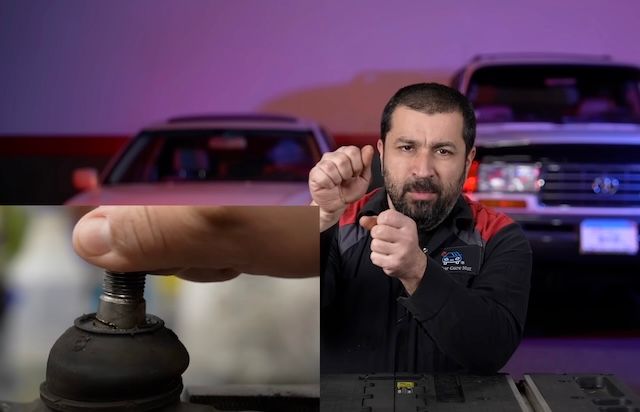
Image Credit: TheCarCareNut
Different Toyota and Lexus models use different ball joint designs. Here’s a breakdown:
- Front-Wheel Drive Cars: Typically have lower ball joints that are separate and replaceable. Some newer models integrate them into the control arm, meaning that the control arm and ball joint are one component.
- Toyota Trucks & SUVs: Older models: Upper and lower ball joints, often separately replaceable.
Newer models: Non-serviceable ball joints built into the control arms (especially inverted upper ball joints). - Rear-Wheel Drive Sedans (e.g., LS 460): Some models have ball joints built into the knuckle - not replaceable separately.
When Should You Replace Ball Joints?
We typically see two main indicators that mean it's likely time for ball joint replacement:
- Excessive Play: If the ball joint moves about inside the socket (axial play), it’s time.
- Noise: Squeaking, clunking, or popping sounds - especially when turning or going over bumps.
However, there are several things you may experience that do not mean immediate replacement is needed:
- Grease Leakage: A little grease seepage or a wet boot isn’t cause for alarm. Monitor it, but don’t replace for this alone.
- Side-to-Side Looseness (off the car): Comparing a new ball joint to an old one off the car is misleading. They loosen with use, but that doesn’t automatically mean they’re bad.
Keep in mind that if you're talking about older Toyotas - especially Toyota trucks with 300K+ miles - some have been known to experience sudden ball joint failures without much warning. Check ball joints regularly on high-mileage vehicles.
How Do You Check For Bad Ball Joints?
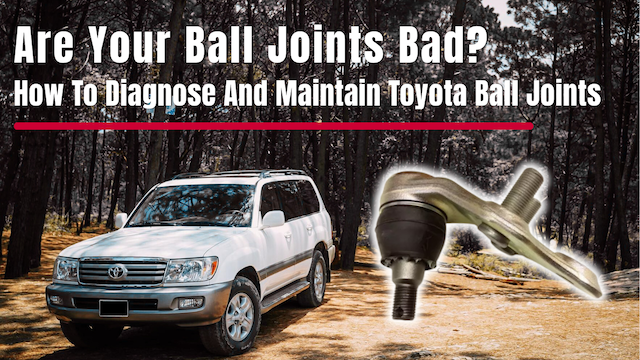
“Think of a ball joint like the shoulder joint in your car’s suspension - flexible but strong enough to handle road punishment.”
Here’s the most sensible ball joint check method:
- Lift the Vehicle Slightly off the Ground: Keep suspension loaded.
- Use a Pry Bar under the Tire: Push upward to detect in-and-out movement - if there's any play, you'll feel it.
- Feel the Ball Joint: Place your hand on it during the check.
- For Dual Upper/Lower Joints: Have a second person help.
For absolute certainty (and if you're a DIYer with the ability), detach the ball joint from its mount and check for play without any load.
What Are The Common Ball Joint Mistakes To Avoid?
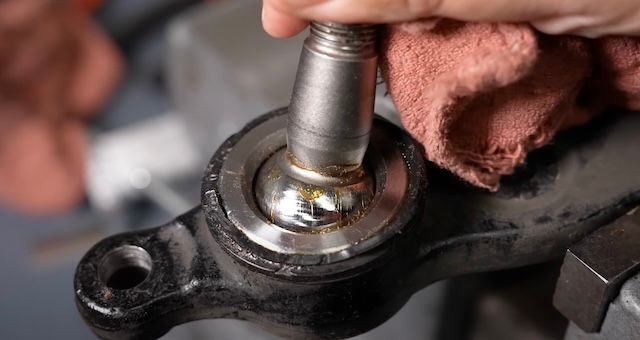
Image Credit: TheCarCareNut
Just as important as the 'Dos', here's a list of 'Don’ts' you should remember when it comes to Toyota/Lexus ball joint maintenance:
Don’t Buy Cheap Aftermarket Ball Joints - Stick with OEM Toyota parts. They're affordable and built for longevity.
Don’t Replace Just Because of a Grease Leak - Leaking grease isn’t an automatic failure point. Listen for noise and check for play first.
Don’t Attempt to Replace Non-Serviceable Ball Joints - If the ball joint is integrated into the control arm or knuckle - replace the entire arm/knuckle, not just the joint.
Don’t Add Grease to a Worn-Out Joint - If it’s already making noise or showing play, adding grease won’t reverse the damage.
Don’t Mix New and Old Ball Joints - Always replace both sides at the same time for balanced handling and safety.
Don’t Ignore Ball Joints After Curb Hits or Accidents - Inspect immediately after any wheel impact - and again about six months later.
Prioritize Safety, Stick With OEM, And Inspect Regularly
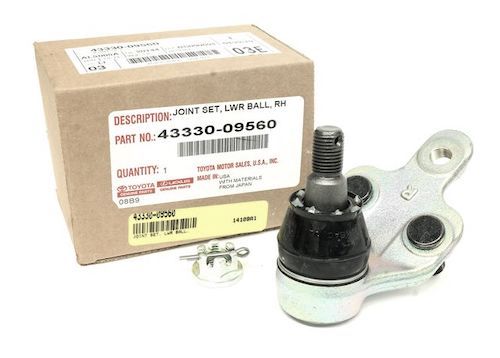
“A curb strike today could mean a ball joint failure tomorrow!”
Long story short, ball joints aren’t the place to cut corners. They’re a safety-critical part of your suspension system. Regular inspection, sticking with OEM Toyota parts, and replacing in pairs will help prevent dangerous failures.
Olathe Toyota Parts Center offers genuine OEM Toyota parts at wholesale prices with fast shipping and hassle-free returns. Backed by thousands of 5-star reviews, we’re known for great service, pricing, and expert support.
- Guaranteed Fit: OEM parts are designed to fit your Toyota perfectly, eliminating the guesswork.
- Competitive Pricing: Olathe Toyota Parts Center offers competitive pricing, giving you the best value for your money.
- Fast Shipping: With quick and reliable shipping, you can get your replacement part fast, minimizing downtime.
We also have a number of free resources that can help you diagnose common Toyota trouble codes and a Toyota VIN decoder to provide info about your vehicle. Got questions? Contact us, and our friendly staff will be glad to help!