

P0401 Toyota Code: Diagnosing Insufficient EGR Flow
If your check engine light has recently turned on and set diagnostic trouble code (DTC) P0401, your Toyota's Engine Control Unit (ECU) has detected an issue with the Exhaust Gas Recirculation (EGR) system. Specifically, code P0401 stands for 'Exhaust Gas Recirculation Flow Insufficient Detected.'
The EGR system plays a crucial role in modern engine management. It works by recirculating a precise amount of inert exhaust gas back into the engine combustion chambers. Lowering oxygen levels in the intake air reduces peak combustion temperatures, which cuts down on harmful nitrogen oxide (NOx) emissions. When exhaust gas flow is restricted or blocked, combustion temperatures rise, engine efficiency drops, and your vehicle will fail emissions tests. Fixing a P0401 code promptly protects your engine from high-temperature pre-ignition and keeps your vehicle running smoothly.
Common Symptoms of Code P0401
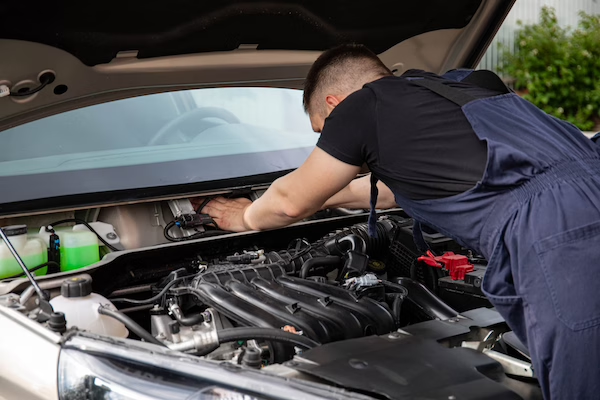

Because the EGR system actively manages cylinder temperatures and combustion, an insufficient flow issue often causes distinct symptoms:
- Illuminated Check Engine Light: The ECU triggers code P0401 when it does not detect expected temperature or vacuum changes during driving cycles.
- Engine Pinging or Knocking: Without cool exhaust gas in the combustion process, excessive heat under heavy load can cause pre-ignition, leading to pinging or rattling noises.
- Rough Idle and Engine Hesitation: Sticking solenoids or vacuum leaks disrupt the air-fuel mix. This causes minor hesitation during acceleration or an irregular idle.
- Reduced Fuel Economy: High combustion temperatures force the computer to adjust ignition timing sub-optimally, which lowers overall fuel efficiency.
- Failed Smog and Emissions Inspections: Insufficient flow causes excessive NOx emissions, resulting in an automatic failure during state emissions testing.
If you notice excessive tailpipe output alongside performance issues, review our guide on diagnosing exhaust system issues to rule out broader engine performance or emission control problems.
Top Causes of Insufficient EGR Flow in Toyota Engines
In Toyota vehicles, from older Camry and Corolla models to trucks like the Tacoma and 4Runner‚ a P0401 code usually stems from physical carbon clogs or vacuum control failures. The most common issues include:
- Carbon Deposits: Over time, soot and carbon buildup gradually choke the narrow EGR valve passages, manifold ports, and intake pathways, blocking exhaust gas flow.
- Faulty Vacuum Switching Valve (VSV): The EGR VSV controls vacuum applied to the EGR valve. If the solenoid fails electrically or sticks shut mechanically, vacuum cannot open the valve.
- Stuck or Damaged EGR Valve: The valve itself can seize closed due to heavy carbon buildup. Alternatively, its rubber vacuum diaphragm can tear, preventing the valve stem from moving.
- Failed EGR Vacuum Modulator or Damaged Hoses: Hardened, cracked, or disconnected rubber vacuum lines stop proper vacuum signals from reaching the valve.
- Faulty EGR Temperature Sensor: Many Toyota engines use a temperature sensor in the EGR passage to confirm flow. If carbon covers the sensor tip or the sensor fails internally, it incorrectly reports zero flow to the ECU.
Step-by-Step Troubleshooting and Diagnostic Process
Diagnosing a P0401 code requires systematically checking vacuum lines, electrical control solenoids, mechanical valve movement, and internal passages.
Step 1: Visual and Vacuum Line Inspection
Inspect all rubber vacuum hoses connecting the intake manifold, EGR vacuum modulator, VSV, and EGR valve. Look for dry rot, splits, loose fittings, or disconnections. Replace any brittle or leaking lines before moving on.
Step 2: Inspecting and Testing the VSV
Locate the EGR Vacuum Switching Valve, which is often mounted under the intake manifold or on the engine block. Disconnect the electrical connector and measure resistance across the terminals using a digital multimeter. Compare your reading against factory specifications. Next, apply 12 volts directly from the battery to test if the solenoid opens and allows vacuum to pass through.
Step 3: Testing the EGR Valve with a Vacuum Pump
Connect a handheld manual vacuum pump directly to the vacuum port on top of the EGR valve with the engine idling at normal operating temperature. Slowly apply vacuum:
- If the engine stumbles, runs rough, or stalls: The EGR valve diaphragm is working and physical flow passages are clear. The issue lies within the vacuum control system (VSV, modulator, or sensor).
- If the engine idle does not change at all: Either the EGR valve diaphragm has failed, or carbon completely blocks the EGR ports inside the intake manifold.
Step 4: Checking for Carbon Clogs
If applying vacuum manually does not change engine idle, unbolt the EGR valve from the intake manifold. Inspect the inlet port, outlet port, and manifold feed holes for heavy carbon buildup.
Cleaning vs. Replacing Your Toyota EGR Components

Once you locate the problem, decide whether cleaning or replacing parts is necessary.
Cleaning Carbon-Clogged Passages
If you find heavy carbon blockage, aerosol intake cleaner and small wire brushes may remove deposits from the valve body, metal tubes, and manifold ports. However, keep in mind that cleaning can sometimes damage components if they are fragile or brittle - for this reason, replacement is often preferred. Thoroughly scrape and spray out all loose debris before reinstalling components.
When Part Replacement Is Mandatory
Cleaning will not resolve electrical or structural failures. Replacement is required if:
- The EGR valve vacuum diaphragm is torn or fails to hold vacuum.
- The EGR Vacuum Switching Valve (VSV) fails resistance checks or fails to open under battery power.
- The EGR temperature sensor exhibits out-of-spec resistance readings.
- The mechanical valve stem is permanently seized.
Pro Tip: Always fit a brand-new factory EGR gasket whenever removing, cleaning, or replacing the EGR valve. Reusing an old, crushed metal gasket causes exhaust and vacuum leaks that result in rough idling and inaccurate diagnostic readings.
Why OEM Parts Are Critical
Aftermarket EGR valves and sensors often lack the precise calibration required by Toyota ECUs. Incorrect spring tension or inaccurate internal passages in non-OEM parts can cause improper flow rates, triggering recurring P0401 codes. Only genuine OEM Toyota parts are factory-engineered components that will restore original engine performance and emissions compliance.
Factory Warranty Protection
When repairing essential engine systems, durability matters. You can order from Olathe Toyota Parts Center with total peace of mind knowing you are getting OEM parts backed by the Toyota 12 month, unlimited miles warranty.
Restore Your Toyota's Performance with OEM Parts
Clearing a P0401 code on your Toyota requires a step-by-step approach:
- Inspect rubber vacuum lines.
- Test the VSV solenoid.
- Verify mechanical valve diaphragm operation.
- Clear away carbon deposits from manifold passages.
Using exact-fit factory components ensures your emission system operates within strict factory specifications. When you're ready to fix your P0401 check engine light, visit Olathe Toyota Parts Center to order original factory Toyota EGR valves, VSVs, temperature sensors, and original gaskets. Use our VIN verification tool to be sure you're shopping for parts that fit your specific year and model, and contact us if you have questions - we're happy to help!