

How To Diagnose A Failing Ignition Coil: Troubleshooting Common Ignition Coil Problems
The ignition coil is a key part of your car's ignition system. It is responsible for transforming low-voltage power from the battery into the high-voltage spark needed to ignite the fuel-air mixture in the engine. Coils are a highly durable and reliable component but can occasionally wear out, causing a variety of symptoms.
In this blog post, we will cover those symptoms as well as how to diagnose a failing ignition coil.
Understanding Normal Ignition Coil Operation
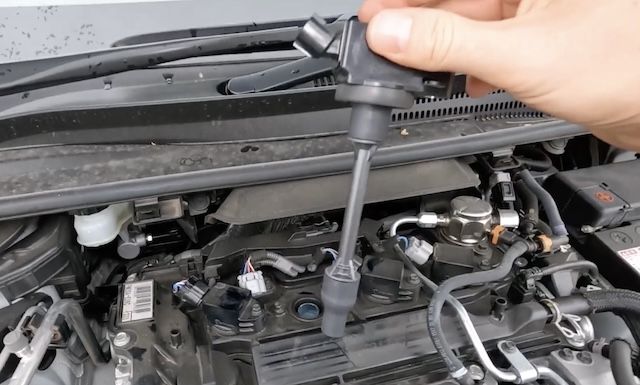
An ignition coil functions by taking the low-voltage electrical current from your vehicle's battery and converting it to a high-voltage current. This allows the spark plugs to initiate the combustion process in the engine. Good functioning coils allow your vehicle to run smoothly while maximizing power and fuel economy.
Even though ignition coils are designed to last a long time, like any part of your car, they eventually wear out. Factors like heat, vibration, and wear and tear from years of producing high-voltage sparks eventually take their toll, causing the ignition coil to fail.
Symptoms Of A Failing Ignition Coil
When an ignition coil starts to go bad, it will display one or more of the following symptoms:
- Misfires: Engine misfires, indicated by a noticeable lack of power, rough idling, or even backfiring, can be a sign of a weakened ignition coil.
- Increased Fuel Consumption: A failing ignition coil may lead to incomplete combustion, causing the engine to run "rich" and use more fuel than usual.
- Poor Acceleration: Without a proper spark, your vehicle may have sluggish acceleration and a general lack of responsiveness, which can be attributed to an ignition coil going bad.
Symptoms of Complete Failure - If left unaddressed, a failing ignition coil will eventually fail completely, causing one or more of the following problems:
- Failure to Start: The engine may crank but refuse to start.
- Won't run: The engine may start but won't stay running.
- Stalling: A failing ignition coil can cause the engine to stall unexpectedly.
Signs of a Bad Ignition Coil - A bad or failing ignition coil will often show one or more of the following signs:
- Deteriorating Insulation: The insulation around the coil will deteriorate due to overheating or normal wear and tear.
- Cracks or Damage: Physical damage, such as cracks or breaks in the coil casing.
- Carbon Tracking: Carbon tracking is indicated by visible carbon deposits on the coil, which can disrupt the electrical connection.
How To Troubleshoot A Failing Ignition Coil
If you suspect your ignition coil is failing, here are some ways to troubleshoot the problem:
- Visual Inspection: Look for physical damage, cracks, or signs of overheating on the ignition coil.
- Resistance Testing: Use a digital multimeter to measure the resistance of the ignition coil. Compare the readings to the manufacturer's specifications.
- Spark Testing: Disconnect the spark plug wire and attach a spark tester to check for a strong, consistent spark when the engine is cranked.
- Scan Tool Diagnostics: Use an OBD-II scan tool to check for diagnostic trouble codes (DTCs) related to the ignition system.
Genuine OEM Ignition Coils From Olathe Toyota Parts Center
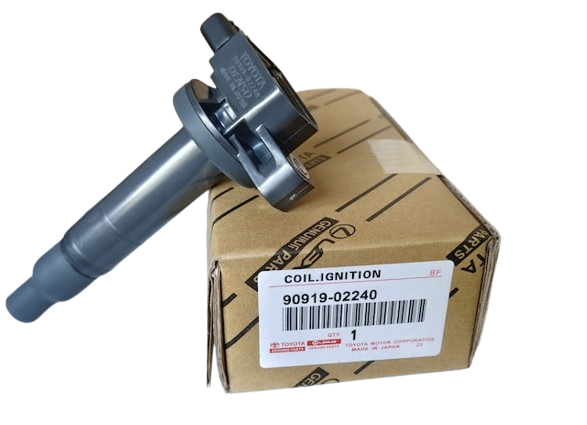
If you need ignition system parts like ignition coils for your Toyota car, truck, or SUV, your best bet is to replace them with genuine OEM Toyota parts. At the Olathe Toyota Parts Center, all we carry are OEM parts, available at wholesale prices and backed by the standard Toyota 12-month, unlimited-mile warranty.
We also have a number of free resources that can help you diagnose common Toyota trouble codes and a Toyota VIN decoder to provide info about your vehicle.