

All You Need To Know About Rust Damage
For vehicle owners in colder climates, winter is more than just a season of snow, it's a season of salt. Road salt is essential for safety as it melts ice, increases tire friction and lowers the freezing point of water, but it can also be very harmful to your vehicle’s undercarriage and bodywork.
That’s because it promotes oxidation on your steel components, slowly eroding their structural integrity. Understanding how oxidation works and how to moderate it is the first step in reducing rust damage.
What Is Rust And Why Does It Start?
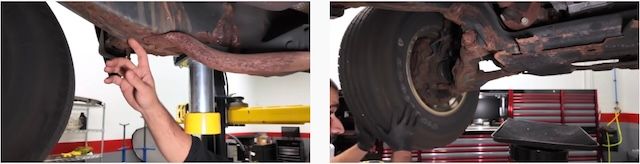
Image Credit: TheCarCareNut
Scientifically speaking, rust is oxidation. It happens when steel is exposed to oxygen plus moisture. While aluminum may develop a surface patina and plastic can be totally unaffected by these elements, steel undergoes a chemical reaction that causes it to lose its form and eventually turn into rusty mush. Some factors that make rust worse can include:
Salt: Salt acts as a powerful electrolyte and speeds up the oxidation process.
Abrasion: Beyond chemical acceleration, road salt can also dissolve into slush that sandblasts the undercarriage, chipping away factory protective coatings. However, salt is not the only source of abrasion out there - sand, gravel, road debris and other elements can also cause abrasion damage that leads to rust.
Humidity: Moisture trapped in the chassis (especially as snow or ice) provides a continuously wet environment, keeping the steel in a constant state of vulnerability.
Prevention: Blocking The Elements
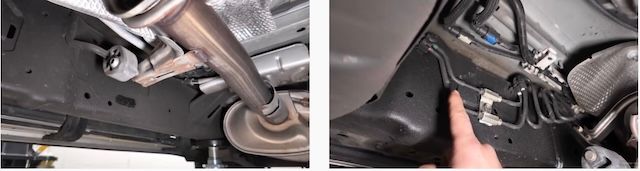
Image Credit: TheCarCareNut
Modern vehicles come with factory-grade rust protectants, but even these eventually give way in heavy-duty winter environments. To effectively prevent rust, you must block either the oxygen or the moisture from reaching the steel.
- Permanent Coatings: Some professional services apply hard, paint-like barriers. However, these can be risky; if a pinhole leak develops, moisture gets trapped behind the coating, causing invisible rot.
- Oil-Based Barriers: Products like fluid film or lanolin-based sprays are increasingly popular. These are water repellents that do not dry hard, allowing them to creep into tight spaces.
- Consistency is Key: Rust reduction is not a one and done task. Whether using factory methods or aftermarket sprays, the friction of driving eventually wears the protection down, requiring regular top-offs.
The DIY Approach: Safety And Strategy
If you choose to tackle rust prevention yourself, many Toyota onwers find that spray-on products work very well. Check out the video above where the CarCareNut suggests a specific protocol that keeps the process safe and effective. Because these products can be messy, preparation is vital.
- Ventilation: Always work in a well-ventilated area, preferably outdoors.
- Dry Surfaces: Ensure the undercarriage is completely dry before application to avoid trapping moisture.
- Avoid Sensitive Parts: Do not spray hot components like the exhaust system or rotating parts like axles.
- Protect Rubber: Avoid spraying high-voltage cables (on hybrids) or rubber bushings, as some oil-based products can cause non-oil-resistant rubber to swell.
Repairing The Damage: What Can Be Saved?
Sometimes, prevention isn't enough, and parts must be replaced. In his video, the CarCareNut goes through a particularly badly rusted 2007 Toyota FJ Cruiser to highlight some common trouble areas. Rust often targets the fuel tank straps, brake lines, and suspension parts first. In extreme cases, rust can even eat through a radiator.
- DIY Replacements: Many components like rocker panels, undercarriage shields, and certain body parts can be replaced by a motivated DIYer.
- Preventative Maintenance: If your vehicle is already on a lift for an oil change, take the time to inspect the frame and lines. Replacing a corroded strap today prevents a fuel tank failure tomorrow.
- Wash Frequently: The best free defense is a car wash with an undercarriage blast to remove salt residue during the winter months.
OEM Toyota Parts From Olathe Toyota Parts Center
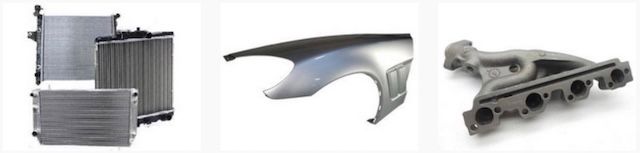
If you're carrying out DIY repairs on rusted components, or need replacement parts for a shop to install, Olathe Toyota Parts Center has you covered. We supply OEM Toyota parts that are guaranteed to fit perfectly and function as the factory intended. Some common rust-prone components include:
| Component | Why It May Rust | Genuine Toyota Parts |
|---|---|---|
| Fuel Tank Straps | These thin steel bands hold the fuel tank and are constantly exposed to road spray. | Fuel Tank Straps |
| Brake Lines | Often made of steel, the ends of these lines are prone to corrosion, leading to fluid leaks. | Brake Lines |
| Suspension Parts | Control arms, knuckles, and struts bear the brunt of salt-heavy slush and debris. | Suspension Components |
| Exhaust System | Extreme heat cycles combined with moisture cause rapid oxidation and rotting of pipes. | Exhaust Systems |
| Rocker Panels | Located at the bottom of the body, these panels often trap salt and moisture behind them. | Body and Trim Parts |
| Undercarriage Shields | While often plastic, the steel mounting hardware may rust away, causing shields to sag. | Splash Shields |
| Radiators | In severe cases, rust can work its way through the radiator core or support brackets. | Radiators and Cooling |
You may think that genuine Toyota parts are more expensive than aftermarket options, but when you order online from us, you get wholesale pricing and a warranty that no aftermarket supplier can match. Get in touch with us for more information, and order the right parts to keep your Toyota rust free and on the road for years to come!