

All You Need To Know About Toyota DIY Maintenance
Keeping your car running like a dream doesn’t have to require a mechanic's toolbox or professional experience. In this DIY-friendly guide, we’re breaking down some of the most essential car checks and maintenance tips, inspired by a detailed video tutorial from our favorite Toyota expert, The Car Care Nut, featuring a 2000 Lexus GS300. Whether you’re a first-time car owner or someone just looking to save money and learn something new, this blog post is packed with straightforward advice and product recommendations.
Opening The Hood Safely
Before anything else, you need to know how to open your hood correctly. Most cars have:
- A primary hood release under the dashboard near the driver’s left knee
- A secondary safety latch under the front edge of the hood
Warning: If your hood uses gas struts (hood shocks), be aware that they may weaken over time. Use a hood prop or a hood strut safety clamp to prevent accidental closure. Always replace worn hood lift supports when you can.
"Don't trust gravity when it comes to your hood. Use the right support tools."
- The Car Care Nut
Engine Oil: Your First Line of Defense
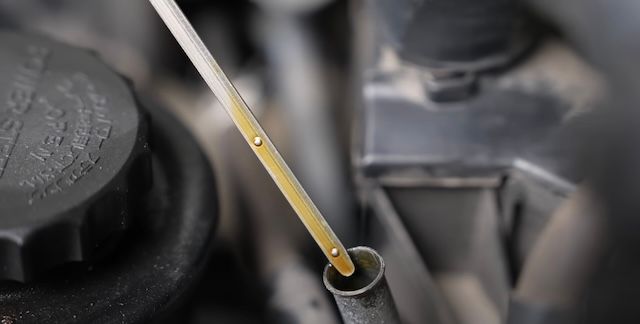
Image Credit: TheCarCareNut
Changing your oil regularly is one of the simplest and most important maintenance tasks. You should check your oil levels every couple of weeks. It’s always easier to be on top of things than fix problems later. Here's how to check it:
- Run the engine for a few minutes, then turn it off and wait a minute.
- Locate the engine oil dipstick (usually yellow).
- Pull it out, wipe clean, reinsert fully, then pull again to check the level.
If you need to top off, find the oil cap and add oil slowly using a funnel. Check the oil type on the cap or your owner's manual and avoid overfilling. Check your Toyota maintenance schedule for the proper time to change your oil, and always:
- Use the correct oil grade for your Toyota model
- Replace the oil filter each time you change the oil
- Check and replace the oil filler cap if cracked or leaking
- Check oil level with the dipstick after filling
If you're wondering about the color of your oil, this blog post about Toyota Engine Oil Colors: What Discoloration Means And How To Fix It could help.
Coolant: Preventing Disaster
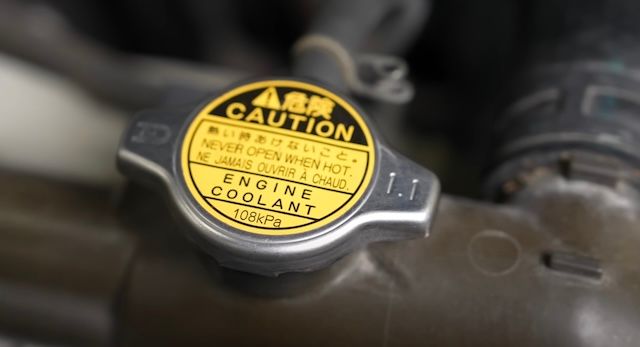
Image Credit: TheCarCareNut
Coolant levels are checked at the coolant expansion reservoir. Never open the radiator cap when hot.
- Cool = coolant halfway between min and max
- Hot = coolant at full mark
"Coolant shouldn’t disappear. If it does, investigate immediately."
- The Car Care Nut
If low, use manufacturer-specific coolant – not a universal one – and top it off appropriately. Recheck in 1-2 days for any leaks. As your Toyota ages, the coolant overflow tank may become discolored, so it is helpful to use a flashlight to see the fluid levels.
Brake Fluid: Handle With Care
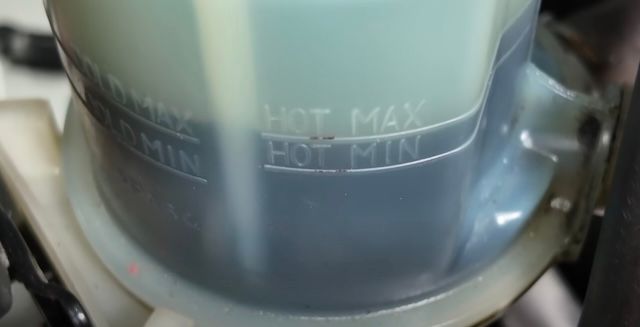
Image Credit: TheCarCareNut
Brake fluid is hygroscopic – it absorbs moisture – and can destroy paint. Be sure you practice safety first and always wear nitrile gloves when handling brake fluid. When filling the brake fluid reservoir:
- Don’t top off unless below minimum
- Never get it on your hands or paint
Tip: Rapid drops in brake fluid level could indicate worn brakes or brake fluid leaks.
Engine Air Filter vs Cabin Air Filter

Image Credit: TheCarCareNut
Don’t confuse the two - both are crucial but serve different purposes:
| Filter Type | Location | Function |
| Engine Air Filter | Engine bay | Keeps dirt out of your engine |
| Cabin Air Filter | Behind glove box | Filters air entering the interior cabin |
Your engine air filter traps dust and debris. Check it every few months and replace it when:
- Heavy debris is visible
- Airflow looks blocked
Slight discoloration or light dust are often visible, but don't demand replacement. Avoid blowing them out with air – it's better to replace - it's an easy 5-minute DIY on most vehicles.
Cabin Air Filter
It is recommended that you change the cabin filter every 15,000 to 30,000 miles. More if you live in a dusty rural area or areas with heavy pollution or smoke. The cabin filter prevents you from breathing dirty air.
Power Steering Fluid (If Applicable)
Many newer cars use electric power steering, but if your car has hydraulic power steering, check the power steering reservoir.
- Check cold vs. hot fill lines on the reservoir
- If whining noises occur when turning the wheel, check fluid level immediately
"A $10 bottle of fluid can save you from a $500 pump replacement."
- The Car Care Nut
Windshield Wiper Replacement
Wipers are often overlooked, but easy to change:
- Replace wipers every 6–12 months
- Clean windshield regularly to extend blade life
- Use Toyota-specific wiper arms for best fit
Additionally, replace your windshield washer fluid seasonally. You can find windhshield wiper arms, windshield wiper blades, and windshield wiper refills easily online at Toyota Parts Center.
Battery Maintenance: Stay Ahead of Failure
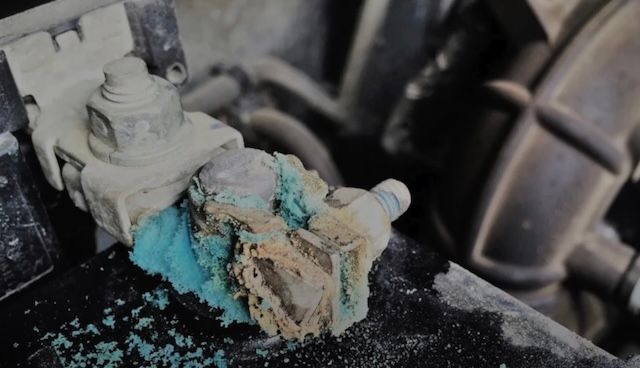
Image Credit: TheCarCareNut
It's best to check your battery's charge twice a year or have it tested during routine maintenance. For general battery upkeep:
- Replace any battery older than 5 years – most last between 3 and 5 years
- Use a black marker to note the install date and for watch corrosion or swelling
- Check battery terminals regularly and clean corrosion - spray with water and use a battery cleaner brush
Tire Care: Safety Starts Here
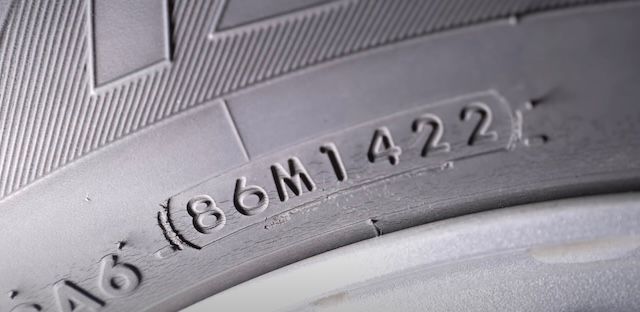
Image Credit: TheCarCareNut
Your tires are the connection between you and the road - treat them with respect! If you notice one tire is significantly lower than the others, suspect a slow leak and address is sooner rather than later. Also, you should periodically:
- Use a tire tread depth gauge to measure tread - 4/32" is the minimum safe tread
- Inspect DOT date codes – tires over 5 years old should be replaced
- Look for cracks, bulges, or chunks missing
- Check tire pressure monthly or during seasonal changes
Bonus Advice: Clean Car, Clear Mind
Don’t let your car become a mobile junk drawer. Wipe down surfaces weekly with microfiber towels and clean inside glass for better visibility. Avoid eating in the car if you want to preserve the interior, and only wash your car when temps are above freezing unless you have a heated garage. Salt destroys underbodies fast!
OEM Toyota Maintenance Parts From Olathe Toyota Parts Center
You don’t have to be a gearhead to keep your car healthy. Just a few simple checks and tools can save you thousands in repair bills and keep you safe on the road. Start slow, build confidence, and soon you might even enjoy popping the hood on the weekend.
Looking for exact-fit parts and fluids for your Toyota or Lexus? Skip the guesswork - shop directly from us for genuine OEM components backed by factory warranty. Whether you're topping off fluids, replacing filters, or tackling bigger DIY jobs, we've got everything you need at wholesale prices and with fast shipping. Need help finding the right fit? Just enter your VIN for guaranteed compatibility or contact us today!