

5 Things Every Modern Toyota Owner Should Know
Toyota vehicles are known for reliability, quality, and comprehensive list of standard features. However, according to the Care Care Nut, there are some hidden features and practical tips Toyota owners may not know about.
Here, we’ll cover five key features the Car Care Nut recommends every modern or hybrid Toyota owner know, while highlighting the importance of OEM parts to help your Toyota run smoothly and safely for years to come.
1. Cruise Control: Adaptive And Standard Modes
Toyota’s adaptive cruise control (ACC) automatically adjusts your speed to maintain a safe distance from other cars. However, in poor weather conditions like rain or snow, the sensors may struggle, leading to cruise control deactivation. Toyota offers a simple solution: a hidden non-adaptive cruise control mode. To activate standard cruise control:
- Turn on cruise control.
- Press and hold the cruise control button for about 3 seconds to switch from adaptive to standard.
"Most folks really like the adaptive cruise control – it works great – but some actually do not…"
- The Car Care Nut
By switching to this mode, you can still use cruise control without worrying about sensor issues.
The adaptive cruise control depends on quality OEM sensors. By using genuine Toyota parts, you ensure these components work seamlessly and are specifically calibrated to Toyota’s standards, which isn’t always true with aftermarket sensors.
2. Toyota’s Safety Brake Override System
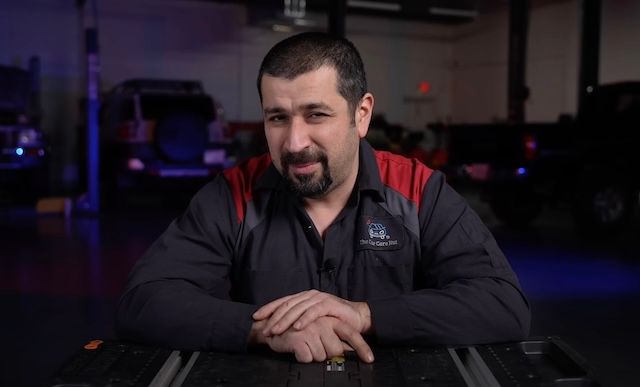
Image Credit: The CarCareNut
Toyota vehicles include a built-in brake override system, ensuring that the brake pedal takes priority over the gas at speeds above 20 mph. This system, designed to prevent unintended acceleration, electronically disengages the gas when the brake is pressed, improving driver safety. If you find yourself in an emergency situation where the gas pedal is stuck, press the start button rapidly three times to shut off the engine.
"If you ever panic about your engine not responding – just panic on the start button – that’ll turn it off."
- The Car Care Nut
This safety feature adds peace of mind and control in emergencies, especially with OEM throttle components designed to work precisely within Toyota’s safety specifications.
3. Customizable Settings: Signals, Chimes, and Windows
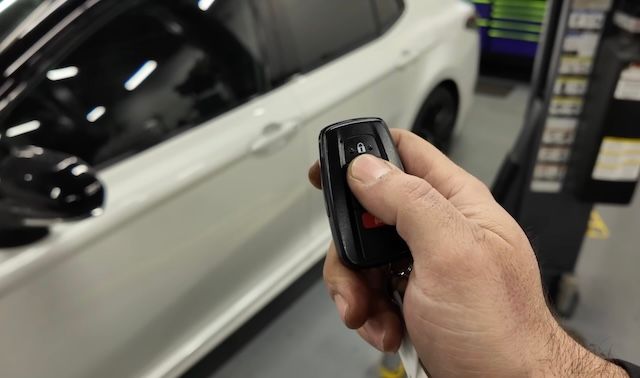
Image Credit: The CarCareNut
Toyota keeps customization options minimal, focusing on reliability and simplicity. However, a few important settings can be adjusted with a scan tool to improve your driving comfort and enhance safety. Popular customization options you should know about include:
- Turn Signal Flashes: Adjust the lane-change signal flashes from 3 to 5 or even 7.
- Seat Belt Chime: If you regularly carry heavy items in the passenger seat, you can disable the chime.
- Auto Window Down: In equipped models, pressing and holding the unlock button lowers the windows—perfect for hot days.
A Toyota dealership or an experienced shop with a scan tool can assist with these adjustments.
"Toyota Keeps their electronics simple – they don’t over-complicate things."
- The Car Care Nut
Choosing OEM electronic parts and sensors ensure compatibility with Toyota’s systems, unlike some aftermarket parts that may not integrate seamlessly, leading to system errors or inconsistent function.
4. Built-In Remote Start Feature
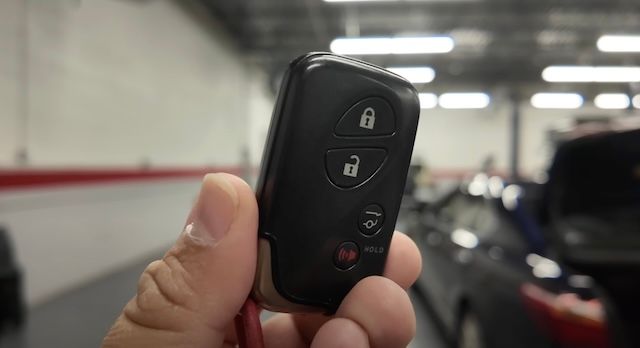
Image Credit: The CarCareNut
Many Toyota models come equipped with a factory-installed remote start, though it may be less intuitive to use than those from other manufacturers. To use the factory remote start function you simply press the lock button on the key fob three times, holding on the third press.
"You can use the old style remote start - it’s there from the factory and works great with no modification required."
- The Car Care Nut
For those needing a reliable remote start in extreme weather, OEM remotes ensure the correct range and functionality. Aftermarket remotes may lack compatibility or perform inconsistently.
5. Infotainment System Generations And Replacement Tips
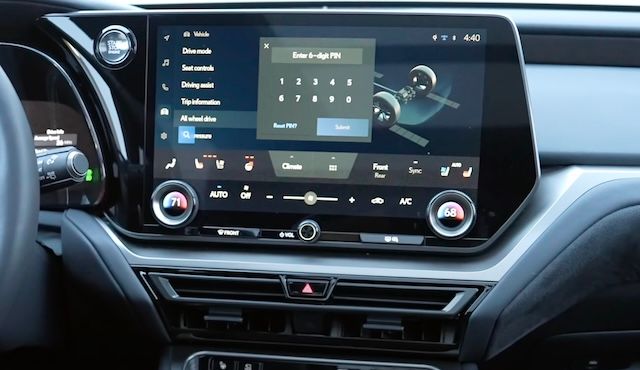
Image Credit: The CarCareNut
Toyota infotainment systems are categorized by their generation model year, not by the vehicle year. For example, a 2024 model might contain a 2021 infotainment system. This labeling method can make replacements tricky, especially since Toyota no longer uses the helpful faceplate ID numbers as of 2018. Important tips for replacement include:
- Check the infotainment model year before ordering replacements.
- Verify the system’s compatibility if replacing screens or internal components.
OEM infotainment parts guarantee functionality within Toyota’s specifications, ensuring system compatibility. Replacing with aftermarket parts could lead to unexpected issues, such as lack of connectivity or glitching, due to model-specific programming requirements.
The Benefits of OEM Parts For Toyota Owners
Toyota owners have access to a range of hidden features and customizations designed to improve convenience and safety. From adaptive cruise control to emergency brake overrides, understanding these features can help ensure you get the most for your vehicle.
"If you’re going to replace your Toyota radio, be very careful…you can easily get the wrong one!"
- The Car Care Nut
When it comes to caring for your Toyota, opting for OEM parts ensures compatibility and reliability, especially when it comes to safety-critical components like sensors and electronic modules. At the Olathe Toyota Parts Center, we have the OEM parts you need at wholesale prices, all backed by a standard Toyota 12-month, unlimited-mile warranty.
We also have a number of free resources that can help you diagnose common Toyota trouble codes and a Toyota VIN decoder to provide info about your vehicle.
Got questions? Contact us, and our friendly staff will be glad to help!