

What Exhaust Smoke Colors Mean: Diagnose White, Black, Gray And Blue Smoke
Seeing weird smoke coming out of your tailpipe? Don’t panic, but don’t ignore it either. The color of your exhaust smoke can actually tell you a lot about what’s going on under the hood. Whether it's white, black, blue, or gray, each color usually points to a specific issue. The Car Care Nut breaks it down in the video below.
Blue Smoke: Your Engine Is Burning Oil
Blue smoke usually means oil is burning. It can be a sign of worn engine parts or a leaky turbo. What to watch for:
- Startup puff of blue smoke: Valve guide seals may be leaking.
- Blue smoke while driving or coasting: Bad valve seals or high vacuum pulling oil into combustion.
- On turbo cars: Oil may leak past turbo seals under high RPM or vacuum.
If you notice blue smoke, check your oil level and monitor oil consumption. Engine oil colors change, too. Check out this post to learn what oil colors might mean.
Black Smoke: Your Engine’s Running Too Rich
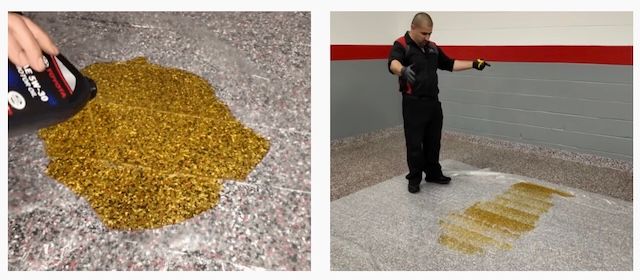
Image Credit: The Car Care Nut
Black smoke usually means there’s too much fuel being burned. This used to be common in older cars, but in modern vehicles, it’s a sign of serious trouble. What to look for:
- Heavy black smoke with force: Overly rich fuel mixture, likely caused by a failed sensor or fuel system issue.
- Light black deposits or liquid at tailpipe: Could still be oil burning, not fuel-related.
- Thick black smoke: If you see thick black smoke in a modern car, expect warning lights or performance issues.
White Smoke: Coolant Burn Or Just Vapor?
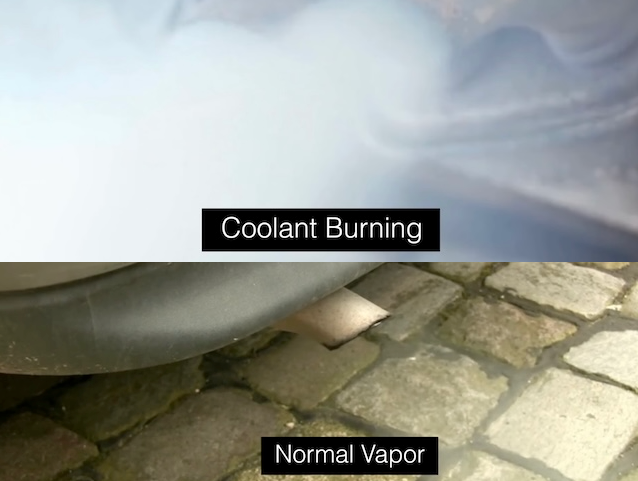
Image Credit: The Car Care Nut
White smoke is often confused with harmless vapor. Here’s what to watch for to know to tell the difference:
- Vapor on cold starts: Disappears quickly, which is totally normal.
- White smoke that lingers: Could be a blown head gasket burning coolant.
- Smell test: Coolant smoke has a sweet smell you won’t forget once you’ve smelled it.
- Toyota tip: A puff of white smoke on startup that smells sweet and disappears may be early head gasket failure.
Gray Smoke: Could Be Normal, Could Be Dirty Driving Habits
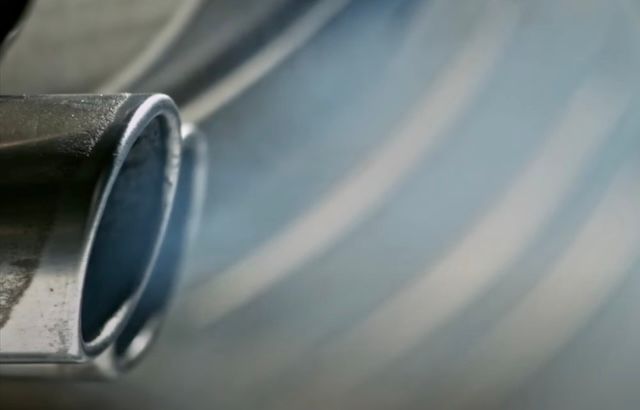
Image Credit: The Car Care Nut
Gray smoke is usually a mix of oil burning and moisture or just built-up gunk being cleared out. It’s probably normal when:
- You typically drive gently, then accelerate hard once: Cloud of gray smoke with rotten egg smell can appear. Usually caused by a carbon and residue build up in the exhaust, valves, and cat converter from low-RPM driving. It's a good idea to drive your Toyota hard (safely) about once a week to clear out buildup and prevents the issue.
If you have gray smoke combined with a rotten egg smell during regular driving, it might point to a failing catalytic converter.
Exhaust Smoke Guides
Here’s the bottom line on what the color of your exhaust smoke most likely means:
- Blue smoke = oil burning.
- Black smoke = too much fuel.
- White smoke = possibly coolant (or just cold vapor).
- Gray smoke = buildup being cleared (or minor oil burning).
Remember that vapor disappears and smoke lingers. You don’t want to see actual white or blue smoke coming from your car, but now you know what to check if you do. Everything else might just be your car telling you it needs to stretch its legs.
OEM Toyota Parts From Olathe Toyota Parts Center
Whether you're trying to diagnose exhaust smoke or need replacement parts to fix the problem, Olathe Toyota Parts Center has you covered. From valve seals to PCV valves and turbo components, we carry genuine OEM parts at wholesale prices to help you tackle blue, black, white, or gray smoke the right way. Our Kansas City-based dealership ships quickly nationwide, so whether you're on the east or west coast, you'll get the parts you need fast.
Use our free VIN lookup tool to ensure a perfect fit for your Toyota, and check out our detailed engine guides and downloadable owner’s manuals going back to 2000. Still unsure about what’s causing that smoke? Contact our team; we’re here to help. Order today and get your Toyota back in top shape.