

Toyota V8 Water Pump Diagnosis And Replacement
Every engine has its quirks - including the well-known, beloved 3UR-FE 5.7L found in the Tundra and Sequoia.
This Toyota engine is the gold standard for reliable towing and hauling. But if you find your otherwise rock-solid V8 3UR-FE develops a rattling racket in the front of the engine bay, you might be dealing with a failing water pump.
Toyota water pumps on these engines typically give you a heads-up by weeping coolant before making noise, but sudden bearing failure isn't unheard of. Ignoring this sound is a recipe for disaster; a seized pump can shatter the bearing, launch into the front cover, and destroy the cooling fan.
Read on to discover several tips and tricks that can make replacing the water pump easier, and check out the video below by the Car Care Nut to learn how to tackle the complete repair like a pro.
Do a Differential Breather Vent Check
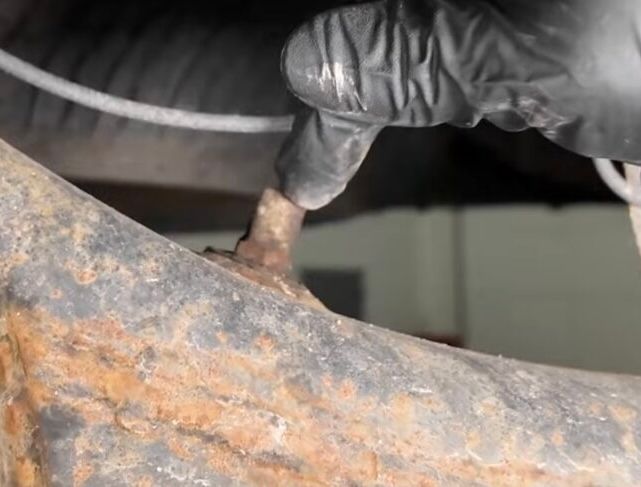
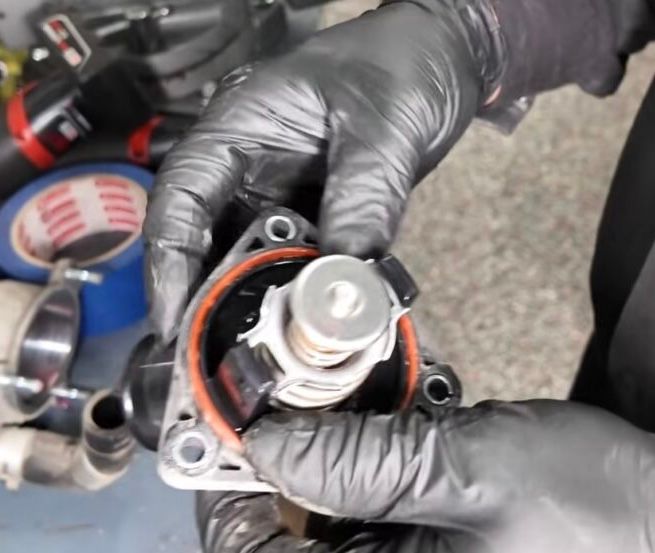
Image Credit: The Car Care Nut
Before diving under the hood (or while your coolant is draining), head over to the rear diff. Anytime you're doing maintenance on your Toyota, take the opportunity to check the differential breather vent. This applies to almost all Toyota trucks and SUVs, including the Tacoma, 4Runner, RAV4, and Highlander. You're already elbow-deep in maintenance - might as well check this important cap while you're working.
This small, cap-like vent sits on top of the rear differential. It is designed to let built-up pressure escape while keeping water and debris out. Unfortunately, it's a part that is know for rusting and seizing closed.
Why It Matters
When the breather seizes, the pressure inside the differential has nowhere to go. The path of least resistance becomes your axle seals. If you notice fluid weeping around your rear wheels or differential housing, a clogged breather is likely the culprit.
How to Test and Fix It
If you give it a wiggle and it appears seized, it's best to replace it.
- Locate the breather on the top of the rear differential housing.
- Try to wiggle the metal cap up and down by hand. It should move freely.
- If it is stuck, grab a 14mm wrench and completely replace the unit.
While you can technically free up a stuck breather with pliers, it will inevitably seize again. For the low cost of a genuine Toyota replacement, simply swap it out and protect your expensive axle seals.
Now let's move on to testing the water pump to confirm it's the rattler.
Diagnosing A Bad V8 Water Pump
If your V8 is rattling, diagnosing the water pump is straightforward:
- Remove the drive belt to relieve tension on the engine accessories.
- Grab the water pump pulley and attempt to shake it back and forth.
- Feel for play. There should be absolutely zero movement. If the pulley wobbles or clunks, the internal bearing is shot, and the pump must be replaced immediately.
Step-by-Step Tips for UR-Series Water Pump Replacement
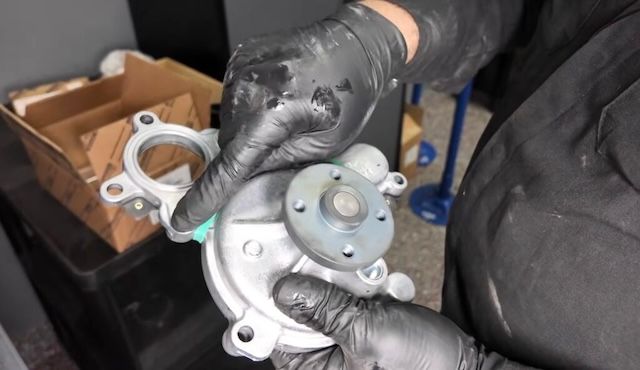
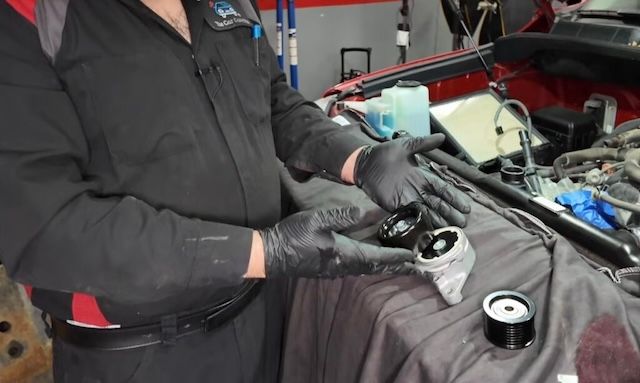
Image Credit: The Car Care Nut
Replacing the water pump on a 5.7L or 4.6L Toyota V8 is a manageable DIY job, but there are a few distinct pitfalls to avoid.
1. Clear The Deck For Better Access
Instead of fighting in a cramped engine bay, spend five minutes removing the air filter housing and the throttle body. This opens up a massive amount of working room.
Important: Always cover or tape off the exposed intake manifold immediately. Dropping a bolt into an open intake will turn a weekend job into an engine rebuild.
2. The A/C Compressor Shortcut
The thermostat housing and water bypass pipe bolt directly to the engine block, with one bolt notoriously hidden directly behind the A/C compressor. Do not remove the A/C compressor. Instead, remove the accessible bolts on the bypass pipe and gently flex the pipe upward. This provides just enough clearance to sneak a socket onto that hidden bolt.
3. Replace The 'While You're In There' Parts
You have the front of the engine disassembled; make it count. Expert technicians strongly recommend replacing the following components during a water pump job:
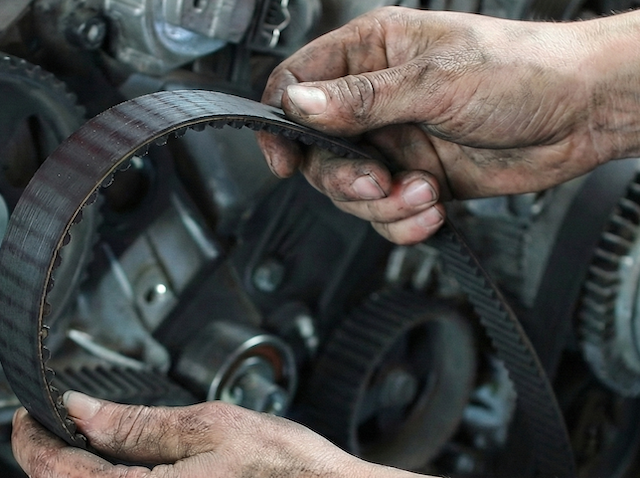
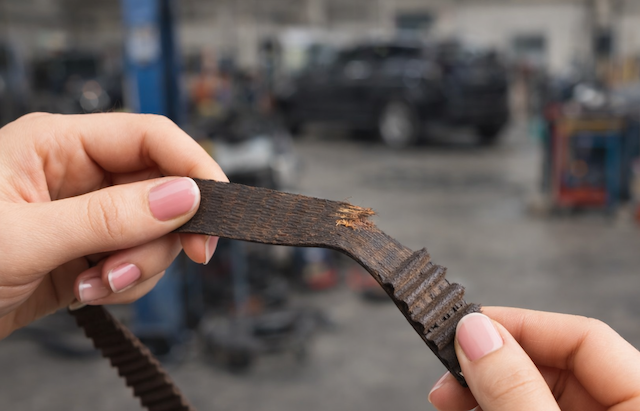
- The Drive Belt: If you see any cracking or wear, toss it. These high-torque V8s are hard on belts.
- Idler and Tensioner Pulleys: The bearings in these small pulleys wear out and cause their own share of under-hood whining.
- Thermostat: The OEM thermostat is housed in high-quality plastic, but it is still a plastic subjected to heat cycles. Swap it for a fresh unit and ensure the ribbed O-ring is seated perfectly flush against the new water pump.
Note on the Tensioner Assembly: The bolt holding the tensioner often uses a 6mm hex head that tends to get clogged with road grime. Clean it out thoroughly and make sure your hex socket is fully seated before applying torque, as this bolt strips easily.
4. Bolt Management Is Critical
The UR-series water pump uses eight bolts of varying lengths and diameters. Pay close attention to the single longest bolt. This specific bolt must go into the lower driver's-side hole. If you accidentally drive this long bolt into a short-bolt hole, you risk cracking the engine's aluminum front cover. Never run your bolts down tight until every single one is threaded in by hand.
5. Clamp Everything Immediately
The front of the UR engine features a maze of small coolant hoses. When reassembling, apply a quick spritz of silicone spray to help the hoses slide onto their fittings, and install the hose clamps immediately. Forgetting a single clamp on a hidden bypass hose is the number one reason DIYers have to tear this job apart a second time to fix a massive leak.
Finalize the Job: Bleeding the Cooling System
Toyotas are incredibly cooperative when it comes to bleeding the cooling system.
- Attach a spill-free funnel to the radiator neck and fill it halfway with the proper 50/50 mix of Toyota Pink Super Long Life coolant.
- Start the engine. Ensure the heater and A/C are completely turned off.
- Hold the engine at a steady 1,500 RPM for roughly 20 minutes.
- The system will naturally burp out the trapped air. Don't panic if the lower radiator hose feels cool to the touch during this process; the mechanical fan blowing directly on it keeps it cool until the thermostat fully opens.
Genuine Toyota Water Pumps
When tackling a job this critical, aftermarket parts simply aren't worth the risk. Toyota's OEM water pumps undergo frequent part revisions to improve longevity and performance. Buying a genuine OEM Toyota water pump is the only way to be sure you are getting the most up-to-date engineering available for your model.
Ready to tackle your water pump replacement or maintenance project? We've got decades of experience in online Toyota parts sales and are experts at all-things-Toyota. Shop online and use our VIN Decoder for exact-fit, genuine Toyota parts, and fast shipping straight to your garage door today.