

Easy Exterior Upgrades: Roof Rails Or Crossbars To Haul Gear
Toyotas are made for adventure.
When you want to load up your kayaks or strap a cargo box on your overlanding or road-trip rig, it’s crucial to understand exactly how the overhead storage system on your 4Runner or RAV4 works.
We've seen Toyota fanatics engage in endless debates about the best way to carry gear. Let’s clear up the confusion, break down the difference between roof rails and crossbars, and look at the actual weight limits for your specific Toyota model.
Roof Rails vs. Crossbars: What’s the Difference?
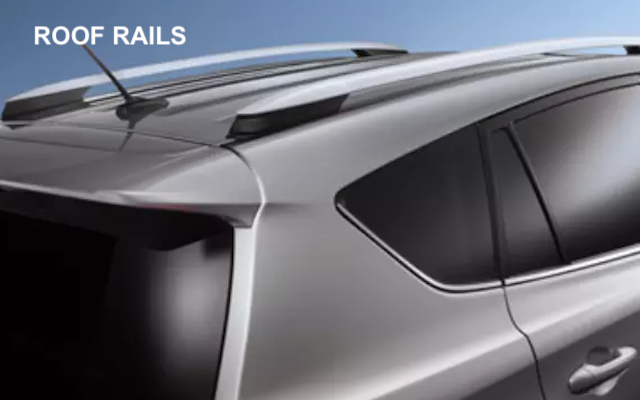
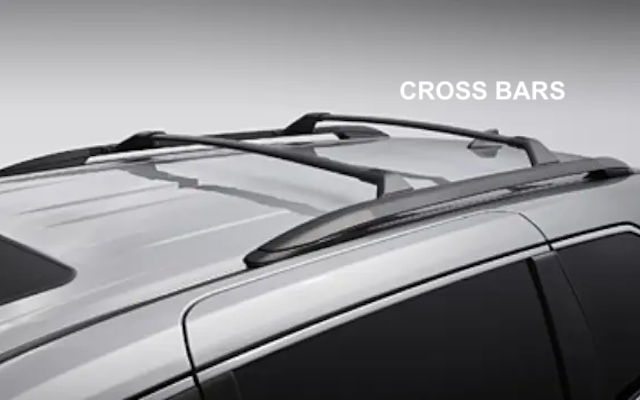
The terminology can get a little confusing, but building a secure rooftop cargo system requires two distinct components working together.
1. Roof Rails: The Foundation
Roof rails are the structural foundation of your overhead storage.
- Orientation: They run front-to-back, parallel to the length of your vehicle's roofline.
- Function: They provide a solid, secure track for mounting accessories. Note: You should never tie gear directly to the roof rails alone.
- Styles: Depending on your Toyota model and trim, you might have raised rails (common on the RAV4 Adventure), flush rails (often seen on the Highlander), or a 'naked' roof with hidden mounting points.
2. Crossbars: The Platform
If the rails are the foundation, the crossbars are the actual load-bearing platform.
- Orientation: They run side-to-side (perpendicular) across your roof, connecting the two roof rails.
- Function: This is what your gear actually rests on. You must have crossbars to mount Thule cargo boxes, Yakima bike racks, ski carriers, or canoe/kayak mounts.
- Versatility: Most Genuine Toyota crossbars are adjustable, allowing you to slide them forward or backward to accommodate different-sized gear.
Which Toyota Models Come Pre-Equipped?
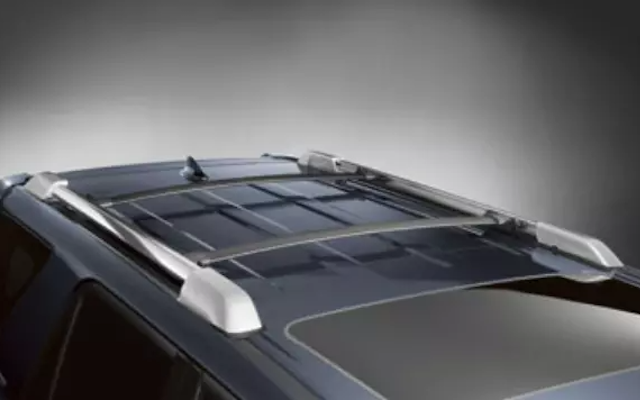
Toyota designs its SUVs and trucks to meet different driver needs, meaning factory roof setups vary wildly across the lineup.
- The Commuters and Family Haulers: Models like the RAV4 (LE/XLE) and Highlander often come standard with flush or raised roof rails, leaving the crossbars as an optional add-on accessory.
- The TRD Pro Lineup: If you drive a 4Runner TRD Pro or Sequoia TRD Pro, your vehicle likely came from the factory with a specialized, heavy-duty tubular roof basket or rack system designed for immediate use.
- The Tacoma: Some Tacoma Double Cabs feature a unique OEM setup with roof rails that integrate crossbars that fold out horizontally across the roof when you need them and stow aerodynamically when you don't. Check you owners manual for the particulars on this system if equipped.
Can I Add Rails If My Toyota Has A Bare Roof?
Absolutely. Most bare-roof Toyotas have reinforced mounting points hidden beneath the black rubber weatherstripping channels on the roof. By using OEM hardware, you can securely bolt genuine Toyota rails or crossbars directly into the frame without any drilling. Again, check your owner's manual for the particulars on adding roof rails.
The OEM Advantage: Why Genuine Toyota Accessories Matter
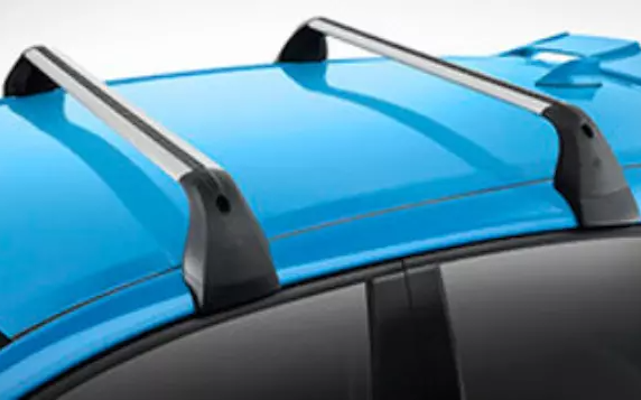
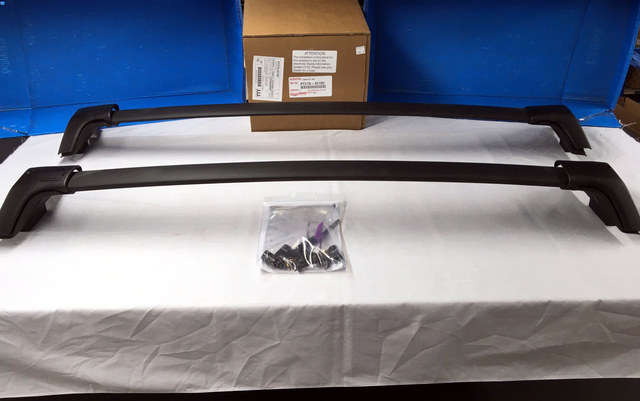
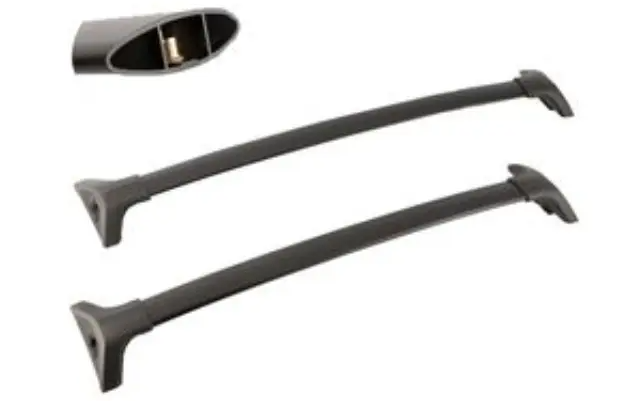
The aftermarket is flooded with cheap, universal crossbars, but bolting budget hardware to your roof is a massive risk at highway speeds. Choosing Genuine OEM Toyota crossbars ensures:
- Aerodynamic Engineering: Toyota roof rails and crossbars are wind-tunnel tested for the specific slope of your vehicle’s roof. No wind-whistle or reduced MPG concerns like those associated with bulky aftermarket bars.
- Flawless Fit: No awkward universal clamps or adapters. OEM crossbars slide perfectly into your factory rails with integrated, locking footings.
- Weather Resistance: OEM components are built to factory specs - the same UV protectants and anti-corrosive hardware found on your vehicle are used in OEM parts.
Toyota Roof Rack Weight Capacity Guide
Before you load up, be certain you know your vehicle's limits. It is vital to understand the difference between Dynamic Load (the weight the rack can safely hold while driving at highway speeds) and Static Load (the weight the rack can hold while parked).
Factory OEM Toyota crossbars are designed to handle dynamic loads ranging from 100 to 165 lbs, depending on the vehicle. That's enough for loads such as cargo boxes, bikes, and skis, and some lightweight rooftop tents. If you plan to mount heavy items such as a larger rooftop tent (RTT), you will need to consider heavy-duty aftermarket platform racks.
Below you'll find a loose guideline of the load limits of the most popular Toyota models. While this is not a guaranteed, exact list, it can be used to get a general idea of weight limitations. Always refer to your owner's manual for the exact load capacity of your vehicle's rack.
| Toyota Model | OEM Crossbar Dynamic Load Limit |
|---|---|
| Highlander | 165 lbs. |
| RAV4 | 100 - 150 lbs.* |
| 4Runner | 165 lbs. |
| Sequoia | 132 lbs. |
| Tacoma (Double Cab) | 100 lbs. |
*Note: RAV4 capacities vary slightly depending on the model year, trim level, and whether it has an optional panoramic sunroof. Always check your specific owner's manual!
OEM Roof Systems From Olathe Toyota Parts Center
Securing your gear safely starts with the right equipment. When you're ready to add OEM roof rails or crossbars to your rig, check out our huge selection online.
We're not just another faceless online distributor. We provide honest, wholesale pricing and decades of experience with Toyota parts. Guarantee a perfect fit the first time with our handy VIN lookup tool, and reach out to us if you have any questions.
Get your gear out of the cabin and onto the roof - shop Olathe Toyota Parts Center today!